Case study 05
A2 Dominion
I led the work to put the customer at the centre of a technology-first transformation, and to leave the team able to carry it on.
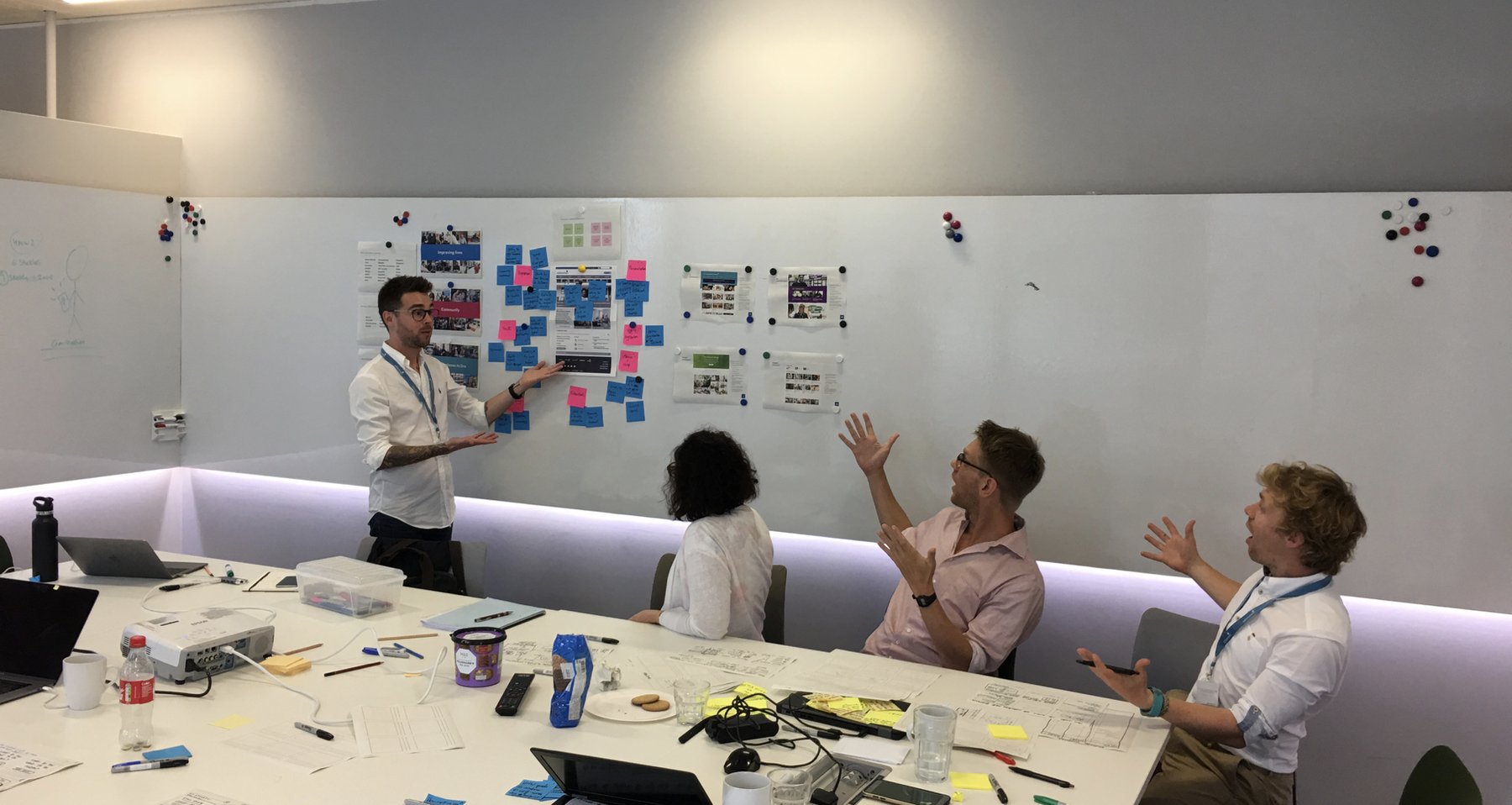
A2Dominion are one of London's largest social housing providers. Having embarked on a multi-million-pound digital transformation project it became clear to senior leadership that their technology-first approach was not providing the customer, and therefore the business, with the promised benefits. They needed a voice for the customer within the process and a set of tools to help them ensure that voice was heard going forward.
Working closely with a UI designer we had 3 project goals:
1. Uncover customer needs and provide a user-centric approach to the work that was done
2. Build ongoing skills, capabilities and tools for the team to move forward once our engagement had finished
3. Understand the technical limitations and provide a steer for how design could be sympathetically incorporated
Discovery
We started the project with a 4 week discovery phase that looked to understand the current state of the digital transformation project and identify where the most impact could be achieved when taking a user-centred approach. We ran a variety of collaborative workshops and stakeholder interviews to dig into the problem and set out a strategy for the project going forward which we presented back to senior stakeholders and to ensure agreement and buy-in.
Ways of working
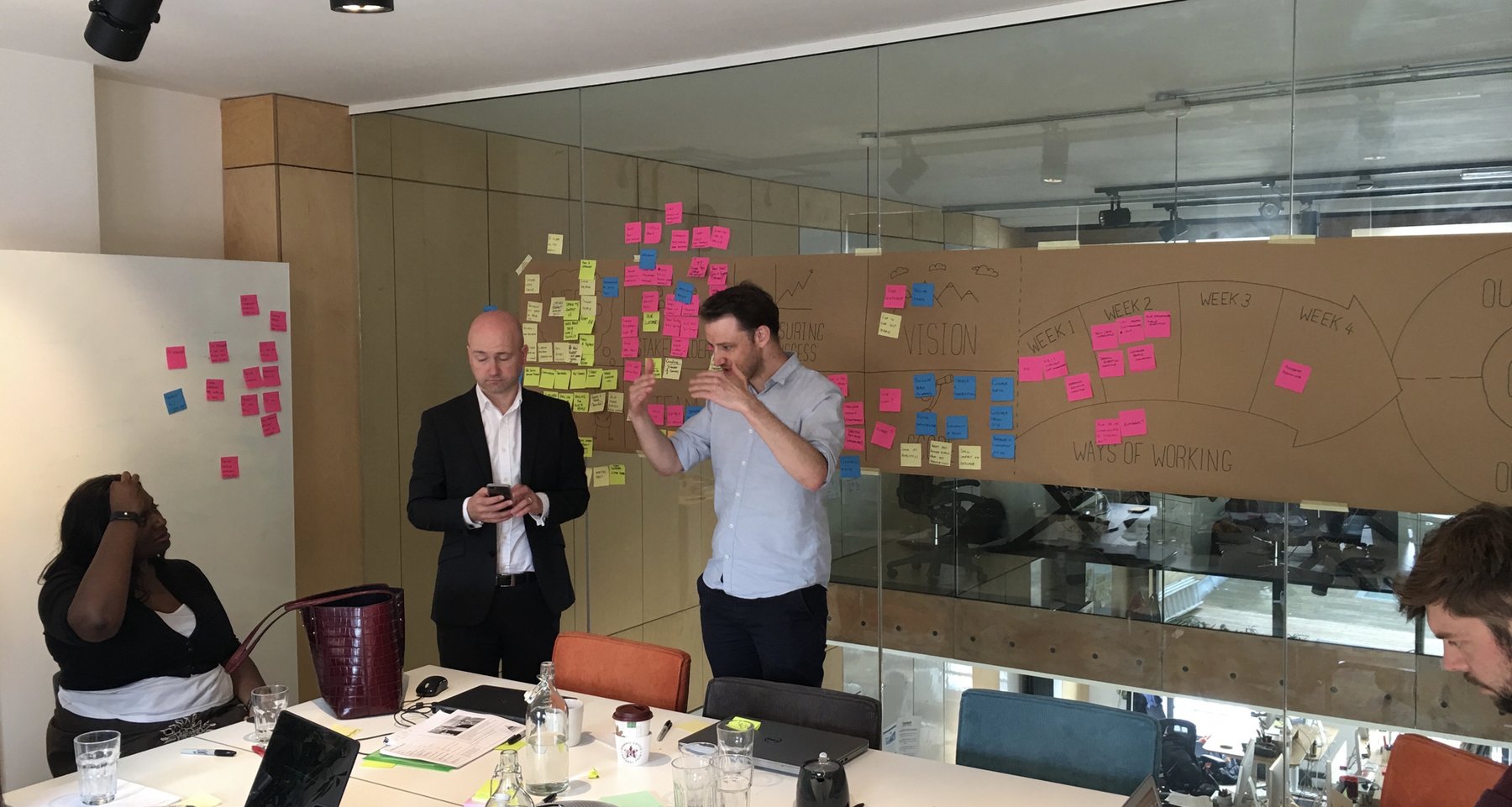
Introduced the team to an agile working process, implementing an approach to rapid iteration and learning. (in an otherwise waterfall approach to development) Dividing the project into 10 manageable and discrete sub-sections then defining how an overarching approach to design would enable us to tie it all together. This also enabled us to have tough conversations around prioritisation from a resource perspective and to help shape their approach to product ownership.
Frameworks
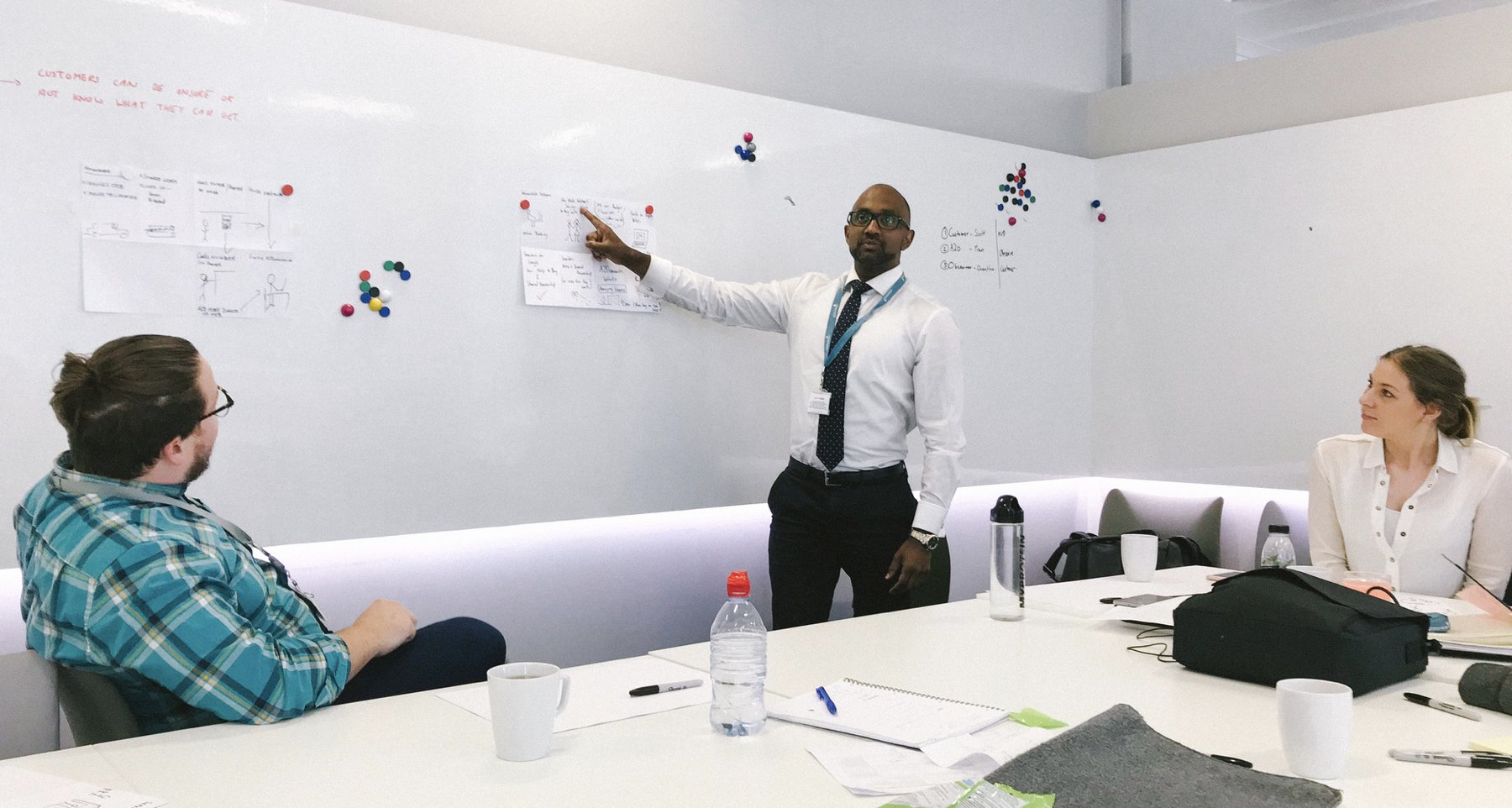
A large part of the success of this project would be the lasting impact and capabilities we built within the team. To enable this we set out to build a set of principles, frameworks and a design system that would provide structure for the team to approach future projects. Immersing the in-house team in our process and showing the inner workings of our approach embedded this understanding.
Leadership
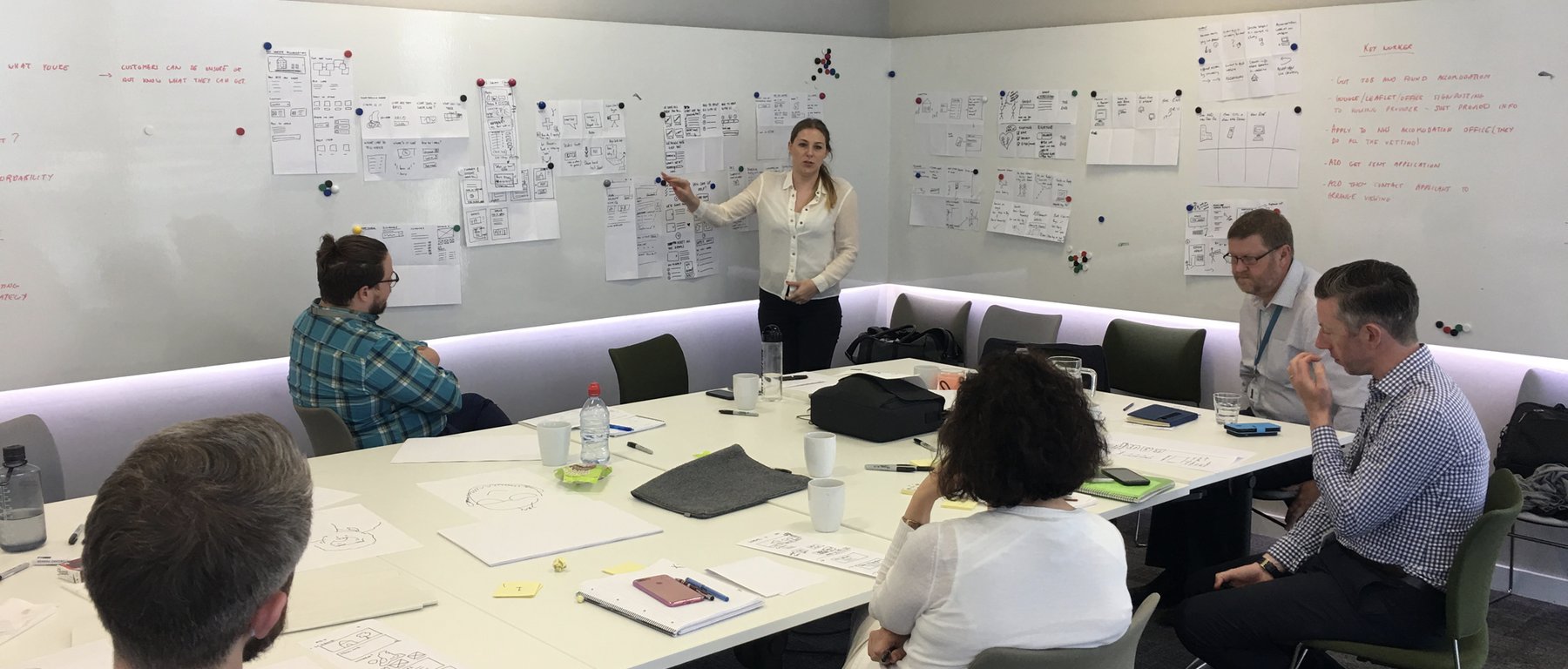
At various points throughout the project we needed to bring on additional resource, skills and expertise. As lead on the project it was my responsibility to bring them up to speed quickly and accurately and ensure maximum impact on the project. For senior and specialised individuals such as content and development my role was to unblock and assist where possible. For junior team members in UX and product design it was about improving skillsets and providing appropriate steering and direction around approach and process.
Users
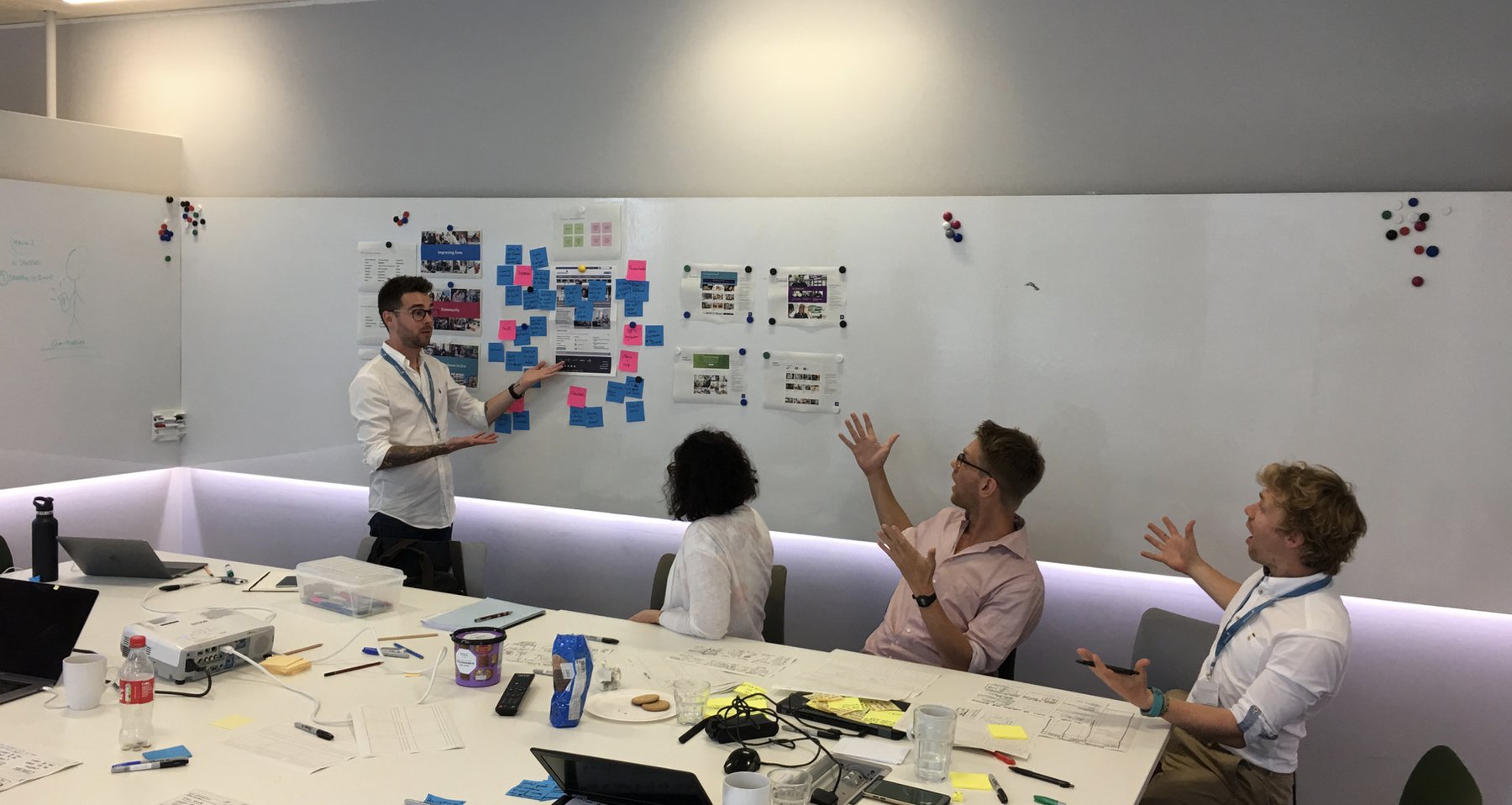
The in-house team had a poorly defined set of personas that did not represent their users and did not enable constructive conversation. We ran workshops to uncover who the real users were and what their key differences were. We looked at how customers interacted with the business and mapped out common journeys. This led to an approach to understanding users that first focused on their need and then cascaded down to particular user types if needed and necessary. This proved particularly insightful later in the project for key parts of the website and customer journeys.
User research
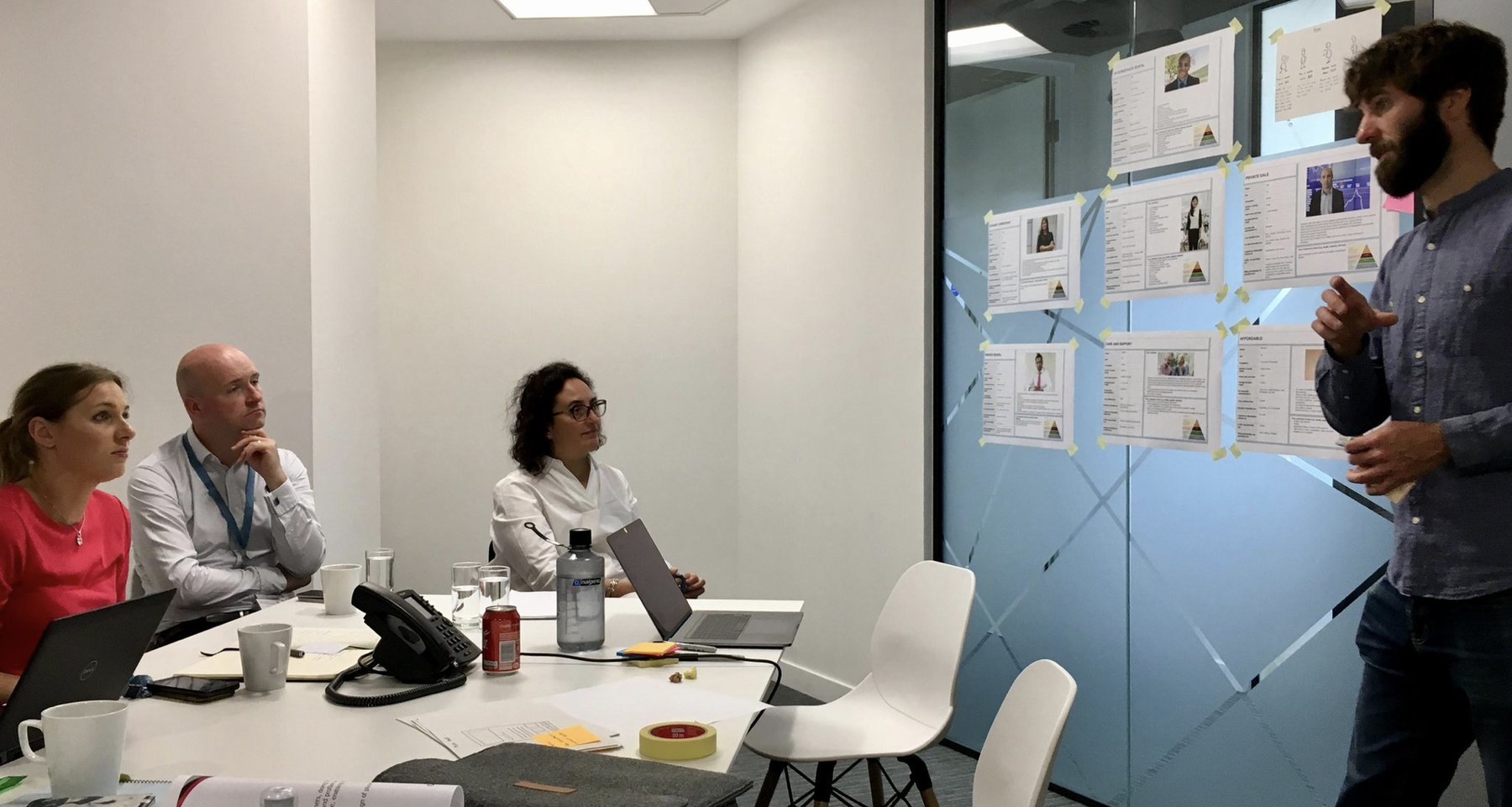
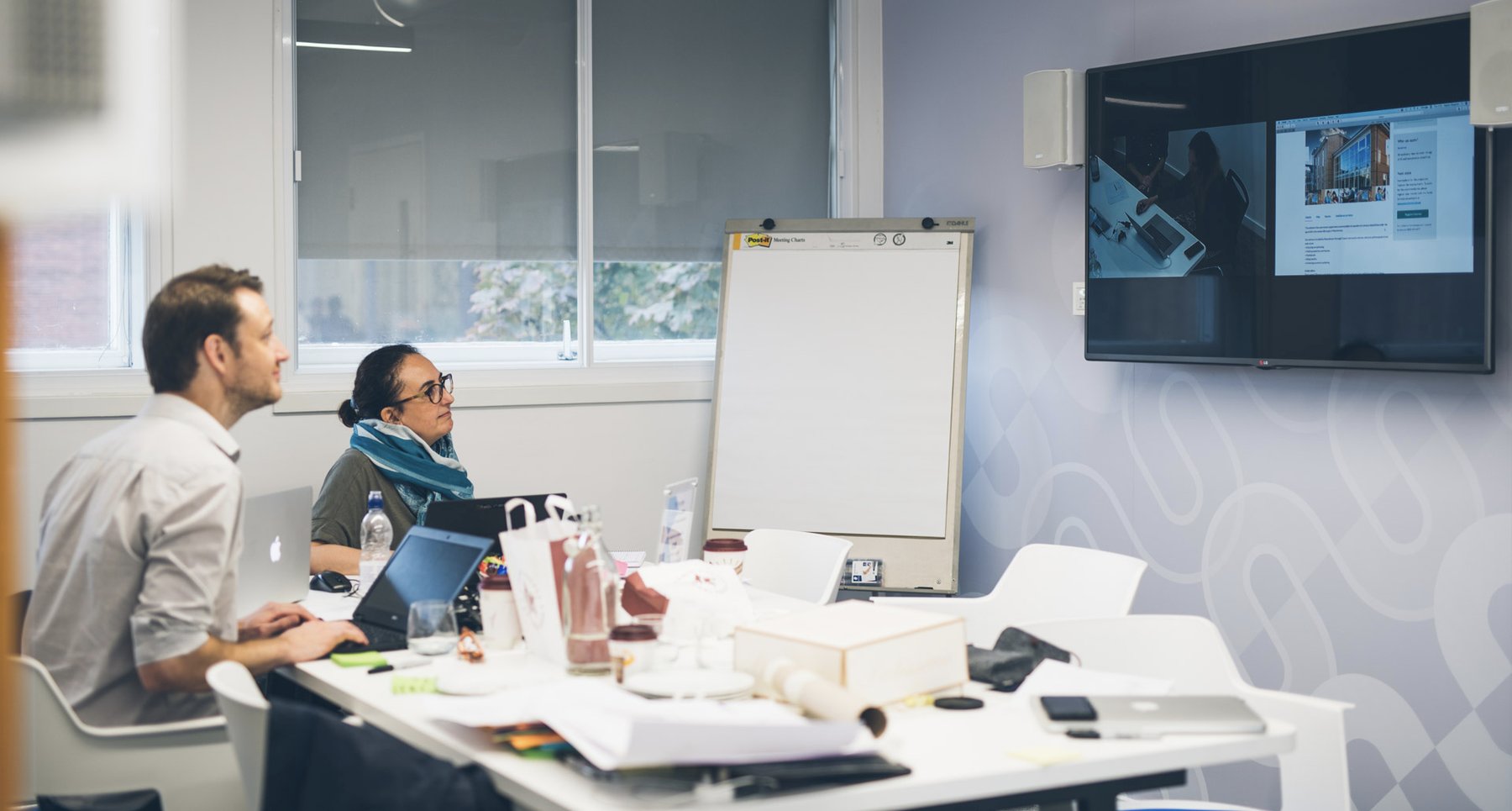
In order to validate the new view of our customers it was vital that we got real input from real users and continually adjust and shape our understanding. Throughout the project we implemented fortnightly user testing sessions, taking the approach that we book users in advance and whatever we were working on at the time would be tested. Working with the internal team we set up a recruitment process, a testing environment and outlined an approach to testing. We then engaged the wider business to ensure internal participation.
Visual design
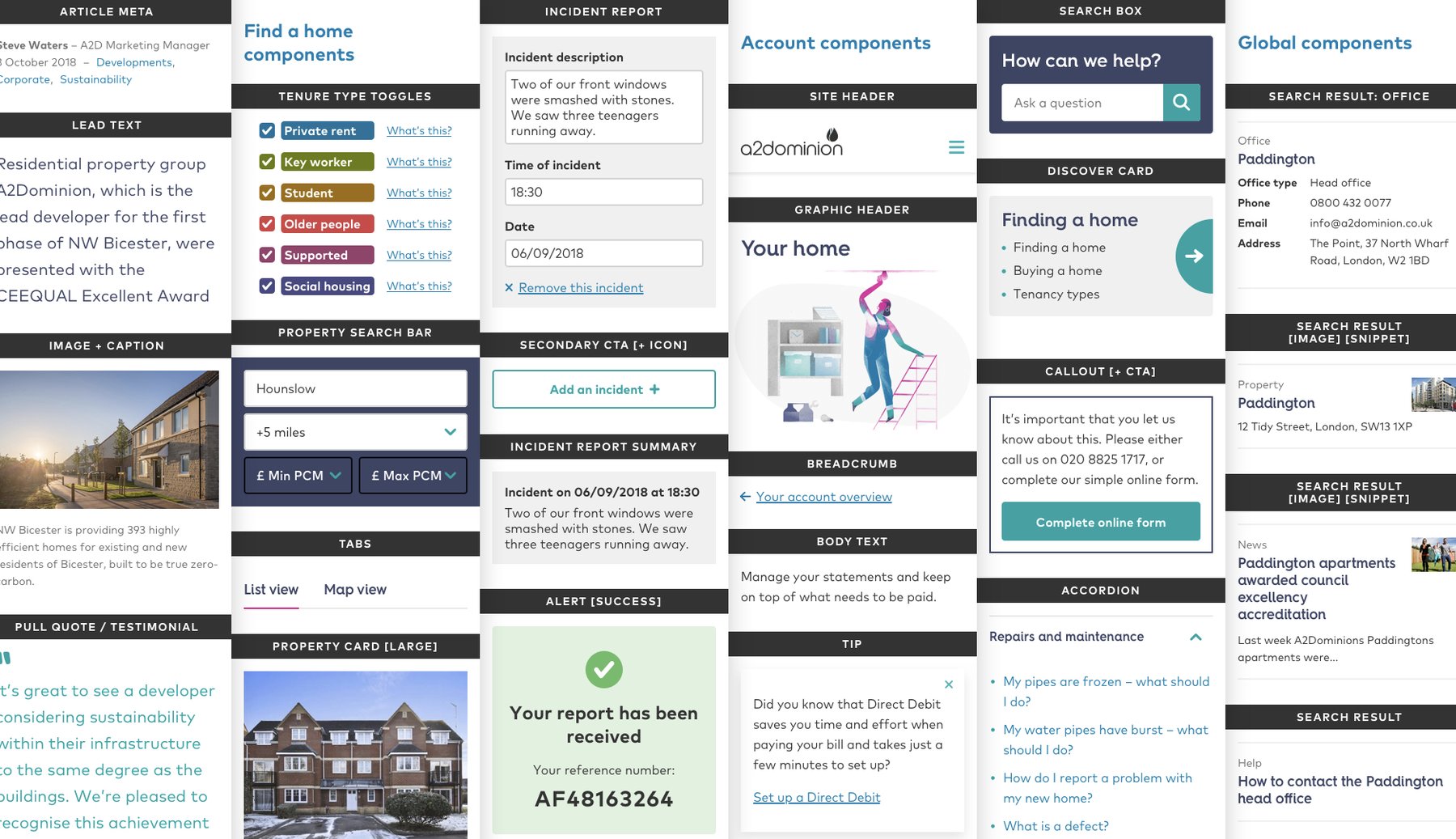
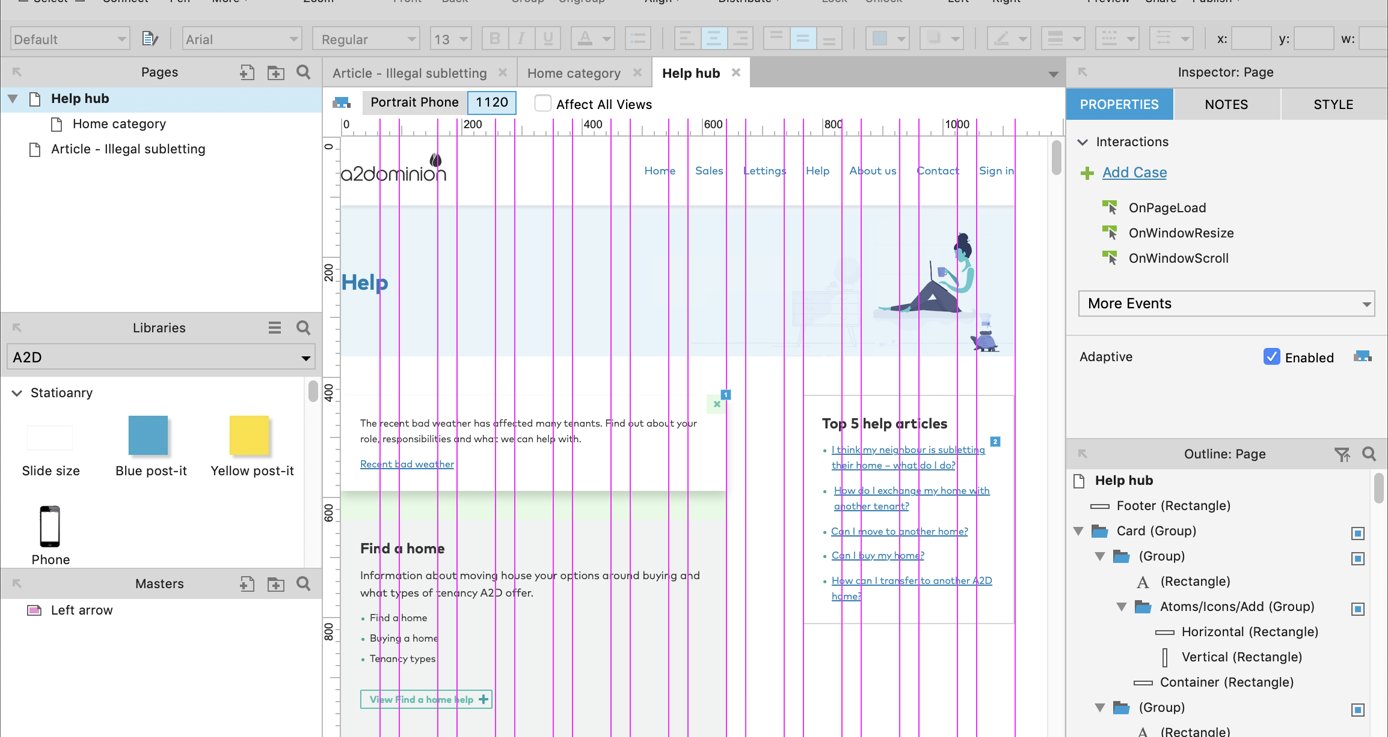
Working closely throughout the project with the UI designer we ensured that all of our thinking was joined up and consistent. The UI designer produced an overarching design system, brand guidelines, engaged an illustrator to produce bespoke illustrations and produced the final designs for major sections of the website. Our working relationship was key to the success of the project and ensured we could each focus on our particular skills and expertise whilst having a deep understanding of the impact we were having on each other.
Content
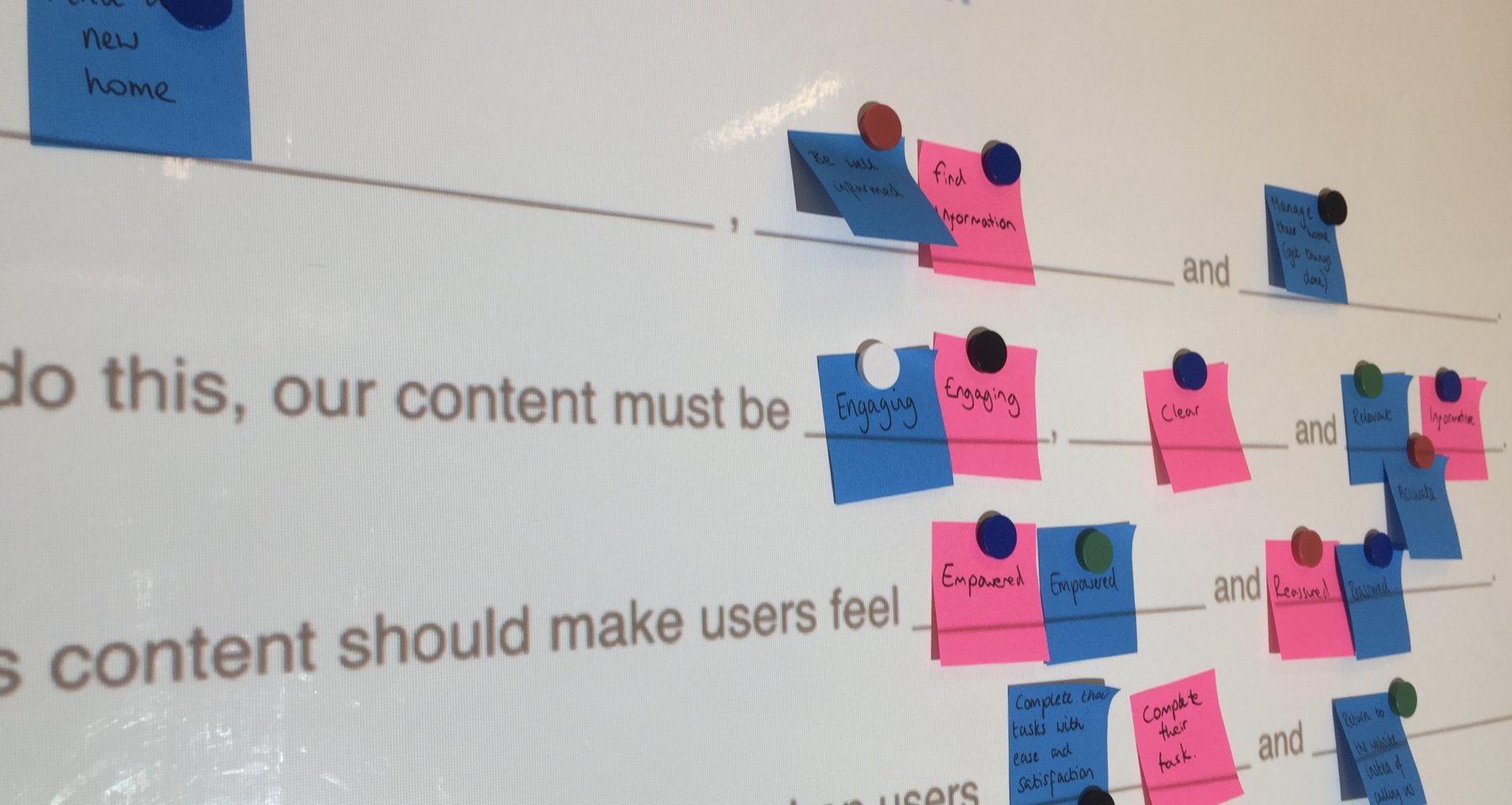
Poor understanding of the importance and impact of good quality content on the users' experience we had to build a business case for appropriate investment in the skills needed to drive the content forward. Once we had a content strategist on the team it was imperative we got her up to speed and delivering value to the client as soon as possible. Giving the appropriate steer and helping navigate the organisational politics meant that she could press ahead with a content audit, strategic framework and implementing an ongoing process to enable the team going forward. This enabled us to cement the fact that content is the foundation of a good customer experience.
Development
Having engaged a large development partner with substantial overseas resources there was a feeling of disengagement between the in-house team and the developers. Development had a rigid approach to documentation and waterfall way of working. Throughout the project I helped facilitate conversations between Clearleft developers, the client and the development agency to explore new ways of working together, with the inclusion of design earlier in the process and a more collaborative approach. We also looked to extol the virtues of a componentised system approach, enabling greater consistency and efficiencies in the final build.
Stakeholder management
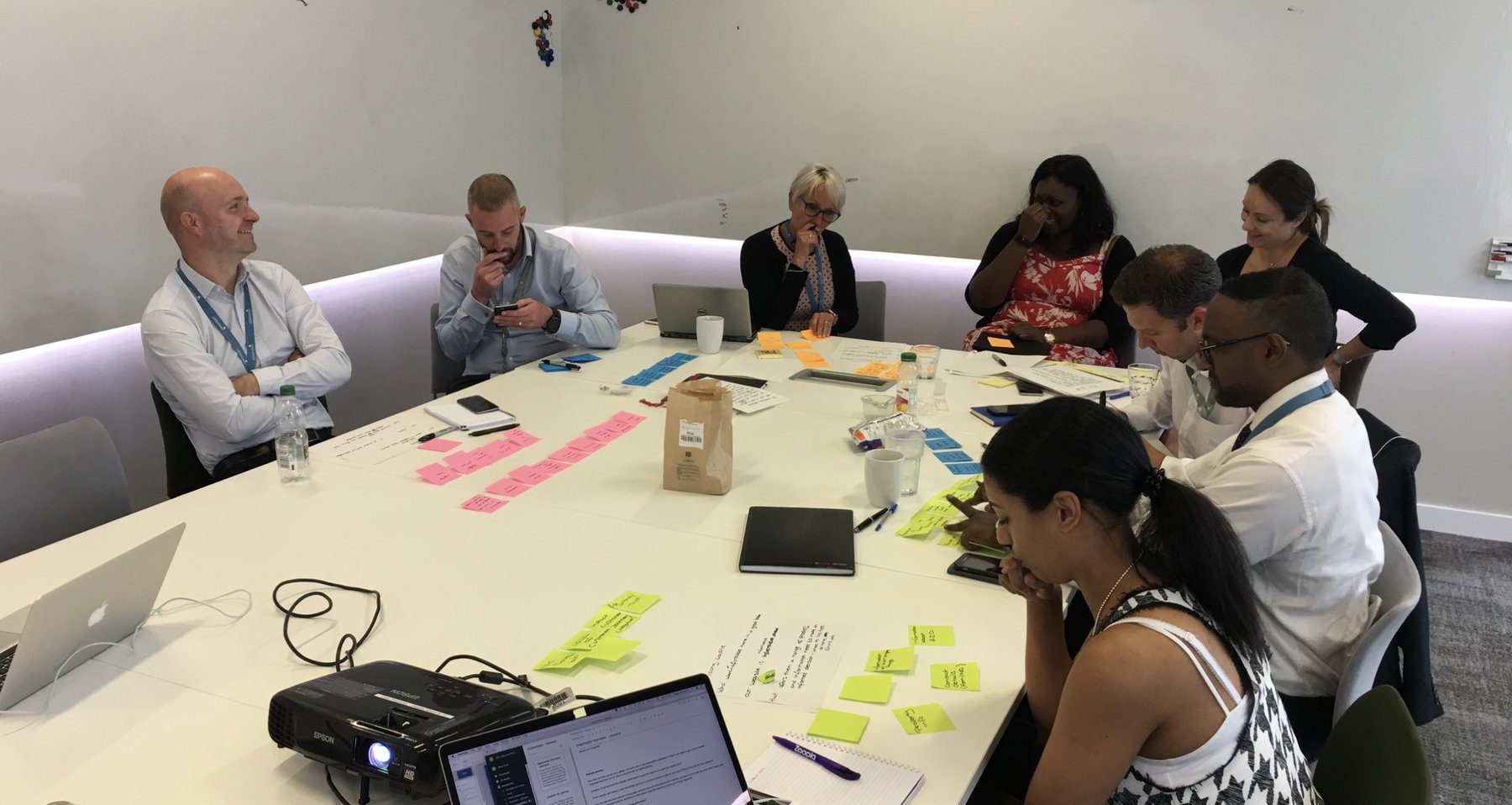
Throughout the project there were multiple stakeholders from across the business, often with conflicting priorities and views, that we needed to ensure were kept up-to-date with our current thinking and work. At the end of phase sprint and for certain major milestones we presented back our work to stakeholders and the wider team. This increased visibility of the project, encouraged engagement and made key players feel involved and invested in the project. Which ultimately led to better buy-in and enabled us to more easily overcome issues throughout the project.
Outcomes
At a website level we delivered the redesign of 10 major areas of their customer-facing website, unifying multiple brands and producing frameworks, principles and design systems. More fundamentally the team now have the skills, capabilities and tools to enable them to drive forward with the larger digital transformation programme over the coming years. Basing their decisions on user needs, not just business objectives, having a greater understanding of how to engage users effectively in the design process and being armed with the relevant resources to support their work.