Case study 01
Indra Renewable Technologies
I joined on a three-week UX brief and left three and a half years later running everything customer-facing.
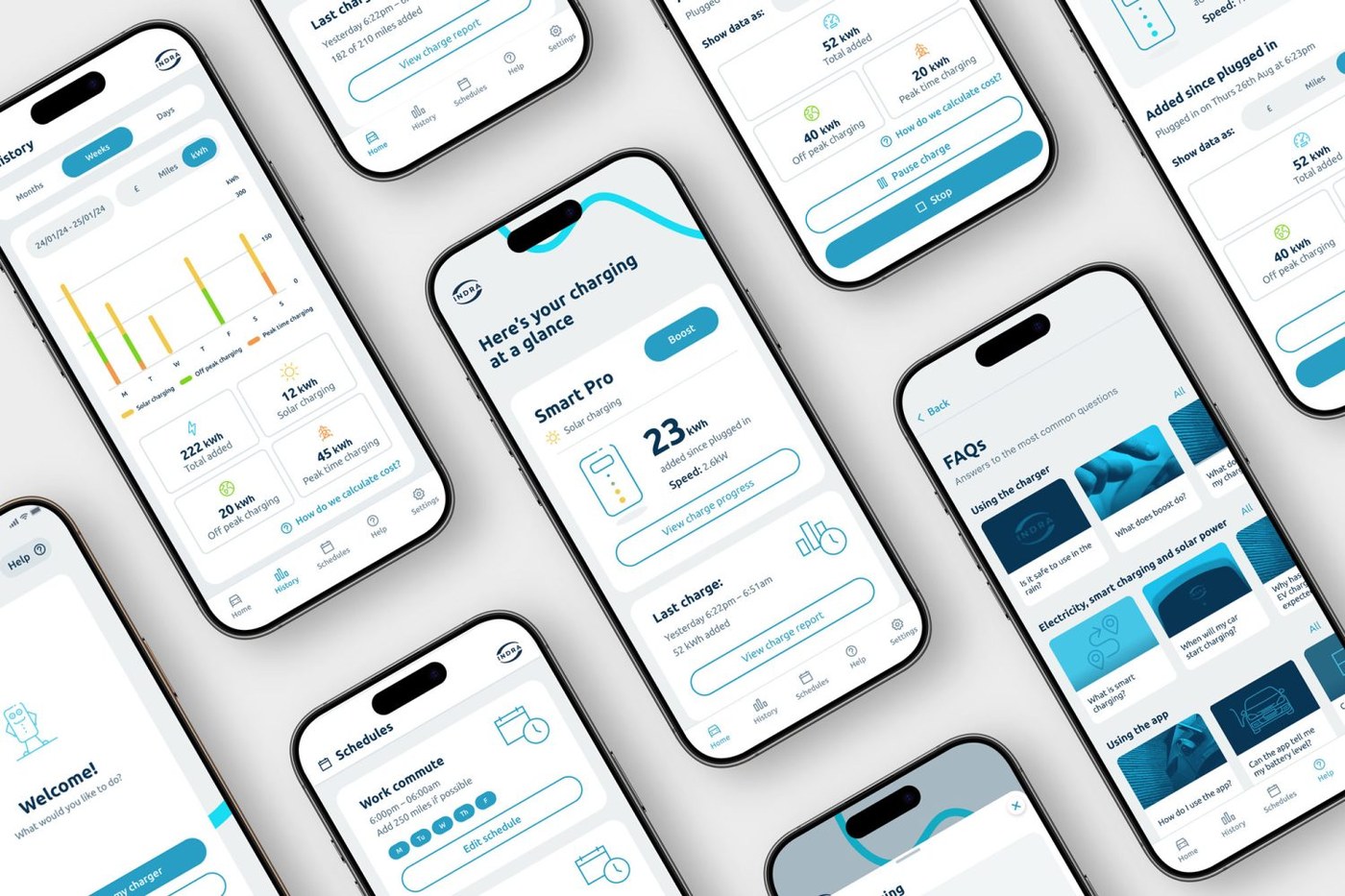
Four products built and run, two native mobile apps and two web platforms, with the product function, research practice and team of seven behind them all built from nothing.
What I built
- The number-one-rated domestic charging app in the UK
- An installer app that cut commissioning from hours to minutes and turned fitters from critics to advocates
- An operations platform running a fleet of 130,000+ chargers, 98% faster than what it replaced
- A product function, a research practice and a team of seven, built from nothing
How it started
I was brought in for a contained piece of UX work. It turned out to be the start of building the whole product function.
A UI designer at an agency asked me to come and work with her on a charging app. She had the visual design, and she wanted me for the UX. On paper it was small and self-contained, a few weeks of work on a fixed fee, with someone else building the back end.
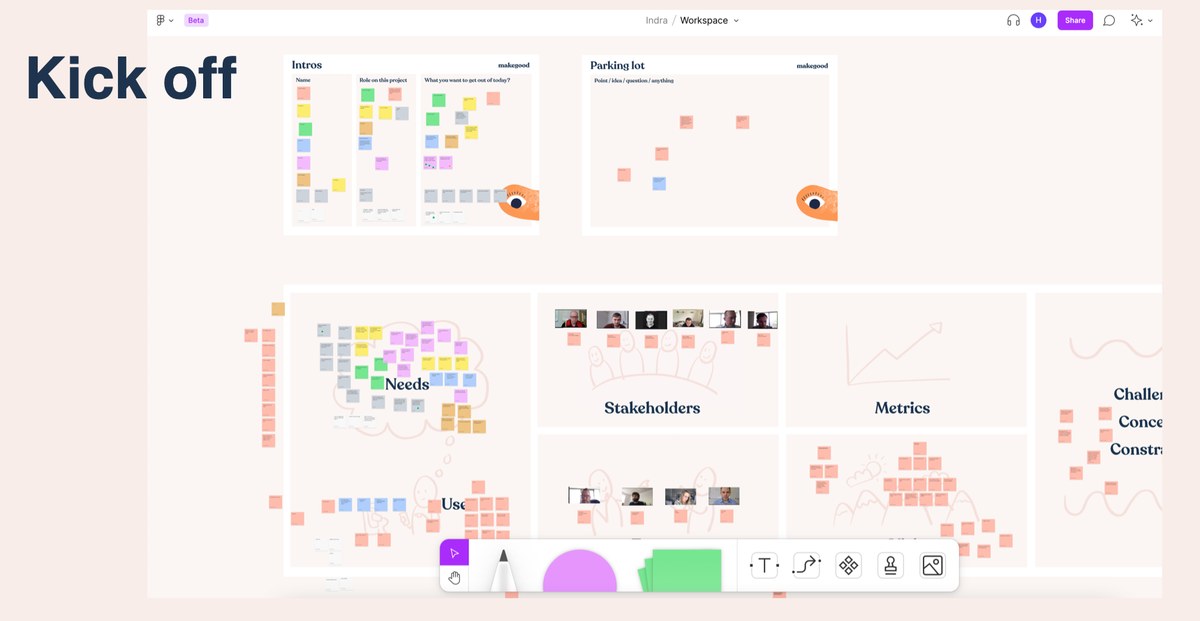
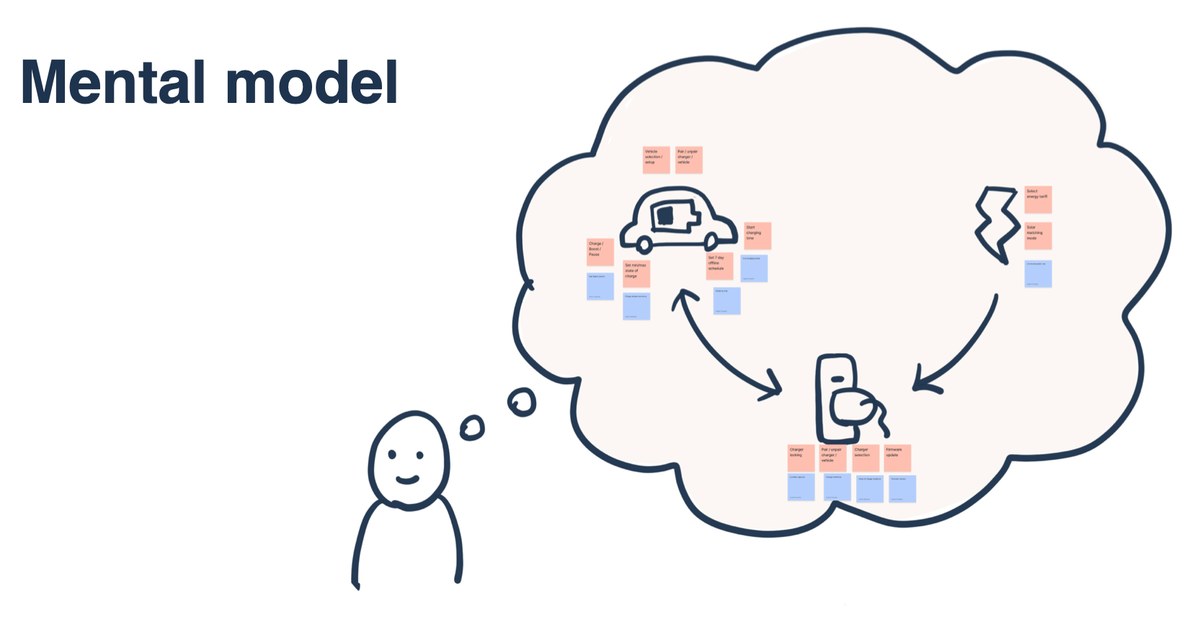
It did not stay small. Through the kickoff sessions and early explorations it became clear that the questions that mattered, what the product should be and who it was really for, had not been answered yet. So I started answering them. I ran workshops with the founder, worked out what we were actually building, and shaped it from there.
The short contract turned into a rolling one, and before long I was embedded in the team and running the app.
The leak nobody had traced
Customers ask their installer what to buy. Ours were answering with a competitor's name.
At Indra, sales were in decline and targets were consistently being missed. Installers were unhappy with our product, but no one could put a finger on exactly why. I formed a small team to investigate and understand what was happening.
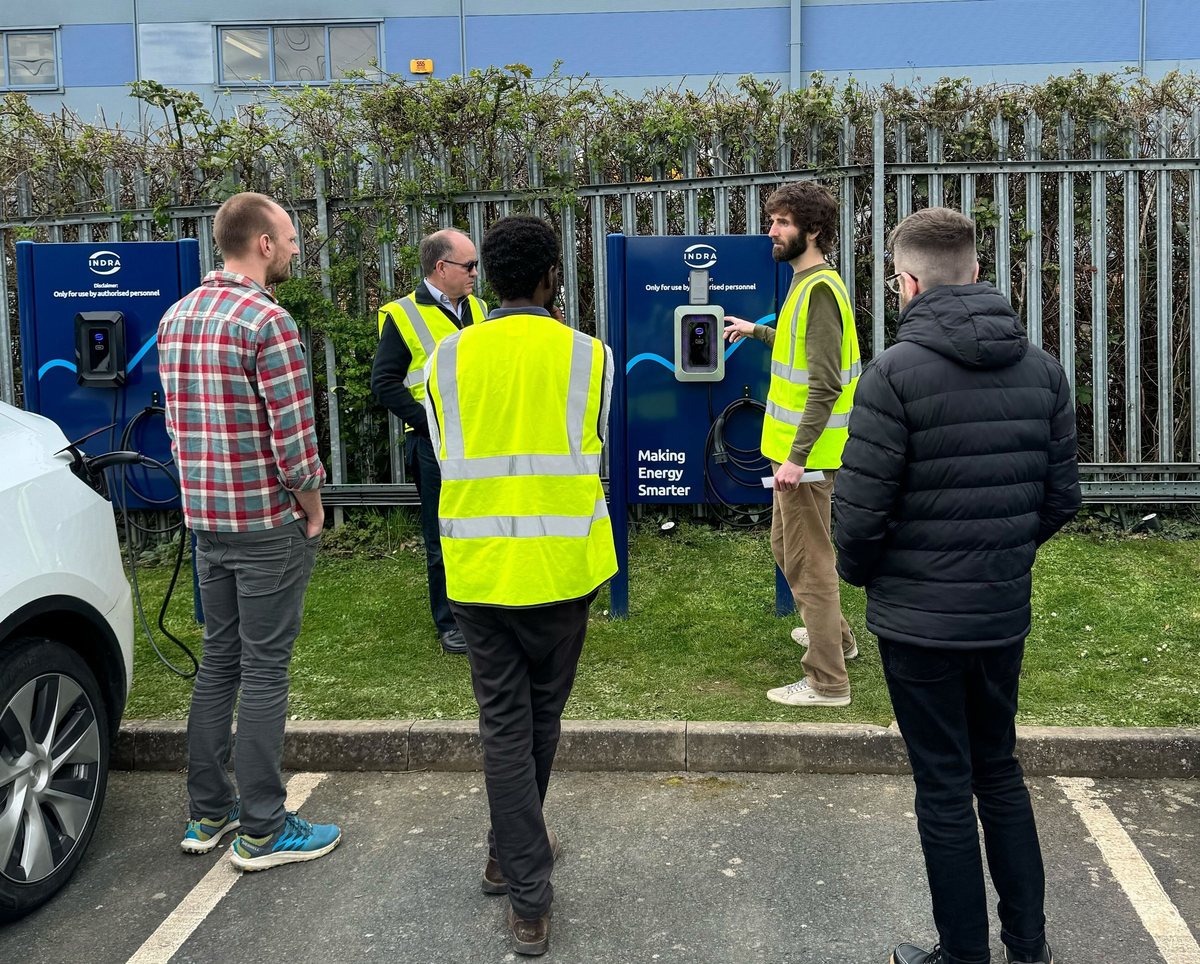
What we uncovered was uncomfortable. The installers who fit our chargers, the tradespeople on the tools every day, hated fitting ours. They were complicated, fiddly and took an excessive amount of time to commission. So when a customer asked for a recommendation, they pointed them at a competitor that was easier and quicker to put on the wall. The people we relied on to fit and promote our product were quietly sending business elsewhere, and nobody had traced it back.
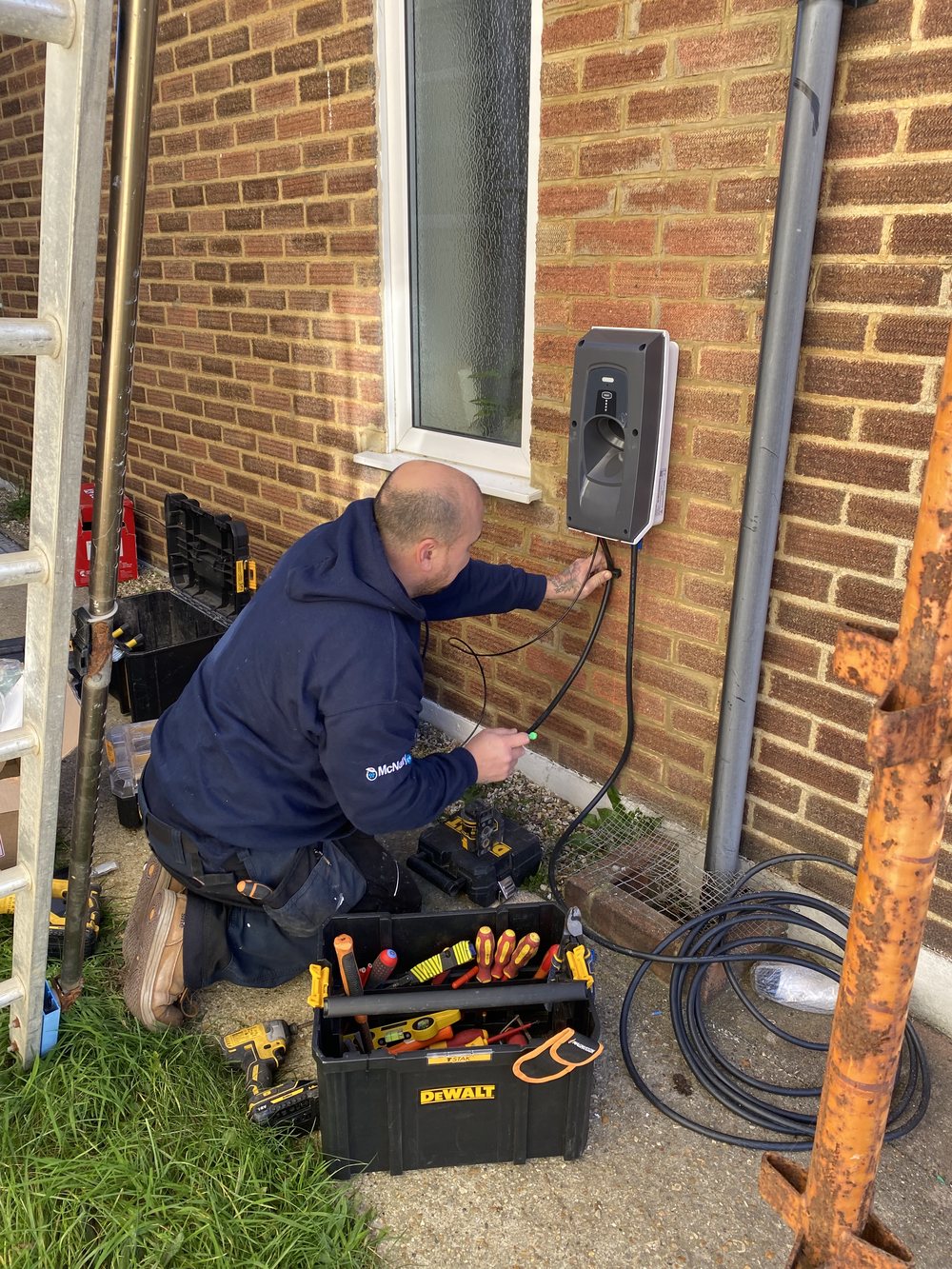
Indra are the most complex to commission due to the connectivity.
Installer, field research
Making the case upstairs
I took it to the C-suite and made installer pain the company's problem to fix.
Findings like these are awkward for a hardware company, and the warning was coming from the design side of the house rather than engineering. So I framed it commercially, lost sales and a damaged reputation, and put it in front of the leadership team. We came out with the nod, the team and the remit to build the solution.
Building the fix, and changing the hardware
The leak closed. The findings kept travelling, into the hardware itself and the charger that came after.
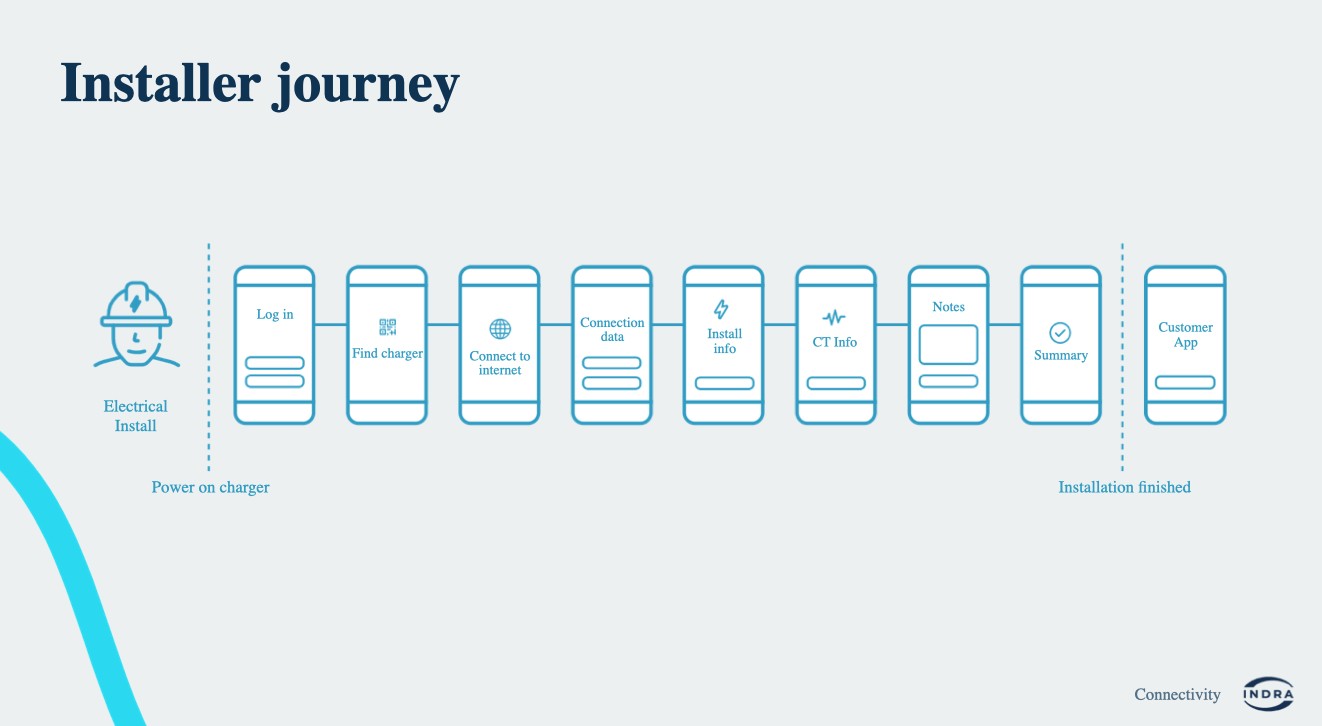
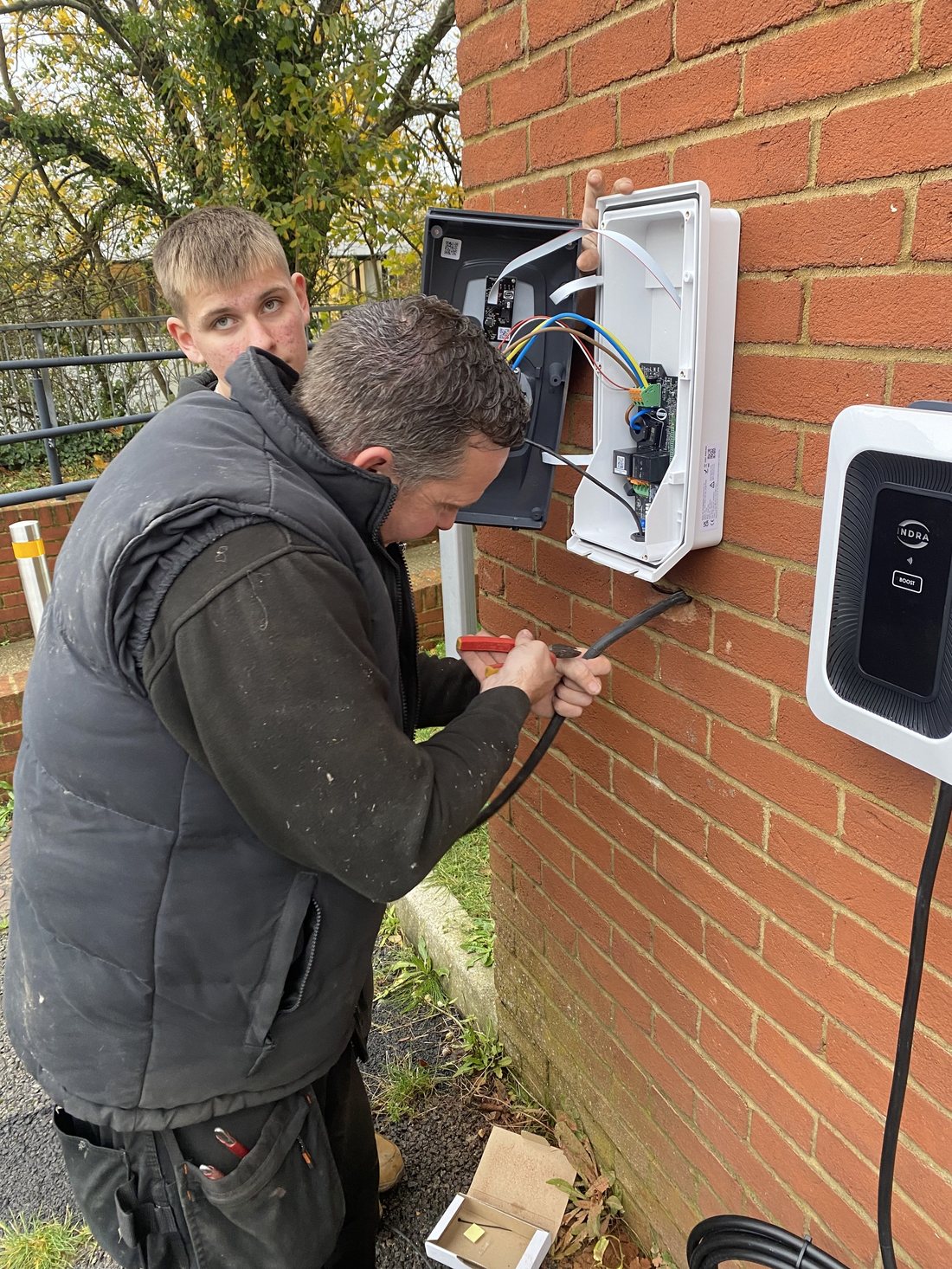
I spent days on the road following and speaking to installers, observing them in the real world on real jobs. We took what we learnt and designed a solution around how they actually work. Commissioning a charger went from hours to minutes, and installers went from critics to advocates. The people who had been quietly steering customers elsewhere now had a reason to recommend us instead. The app carried us over a quarterly sales target and reopened sales channels we had lost.
The research also highlighted a long-standing problem with the physical product, which we fed back to the hardware team. This led to a major change in the internal build of the existing product, and shaped how we would architect the next one.
Getting a hardware company to change its physical product off the back of a front-end team's research is not a normal thing to be able to do. It happened because I made the commercial cost of not doing it impossible to ignore.
The best-rated app in the UK
Nobody buys a charger without checking its app score first. That made the rating a sales number, and it was mine to move.
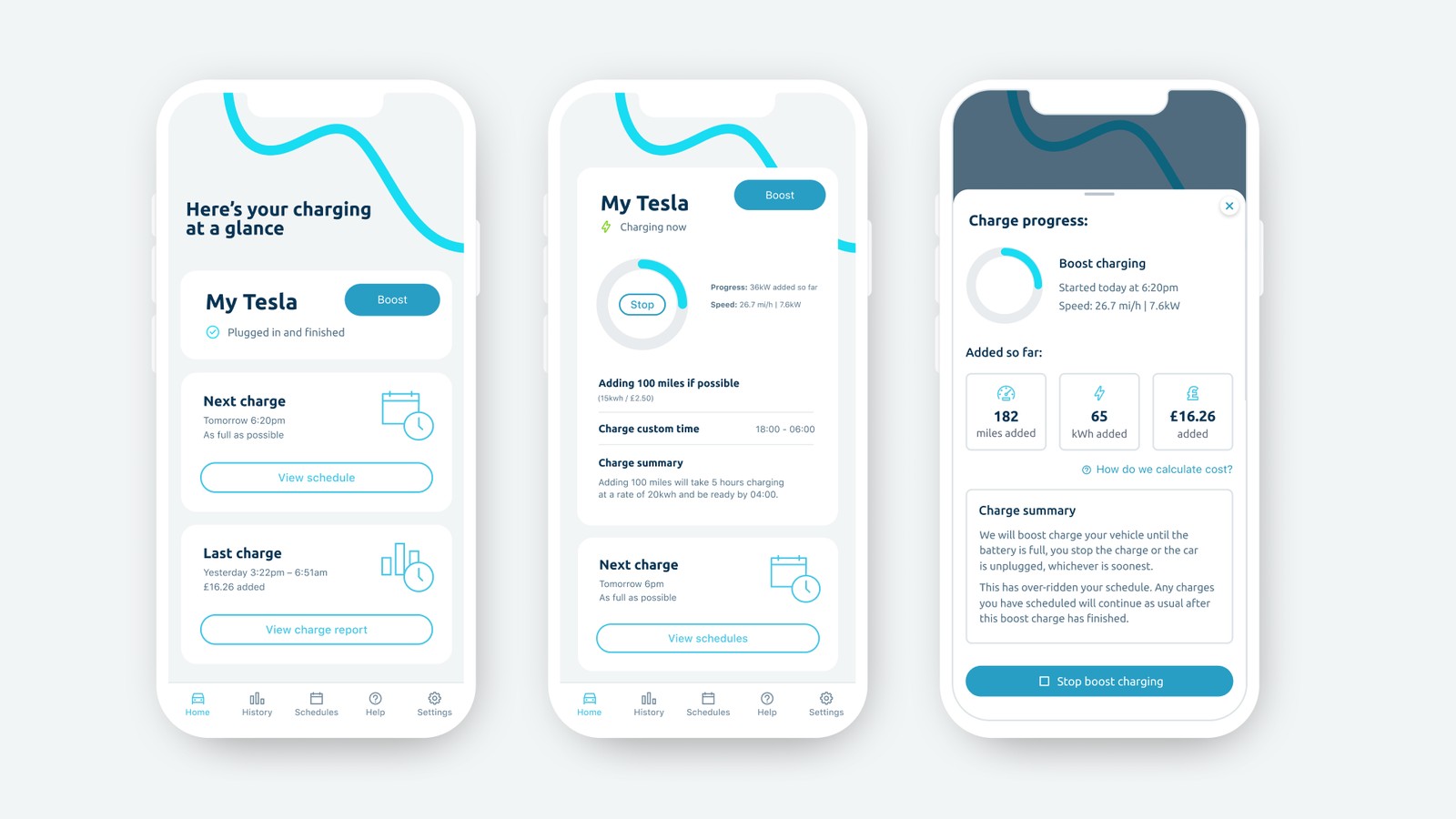
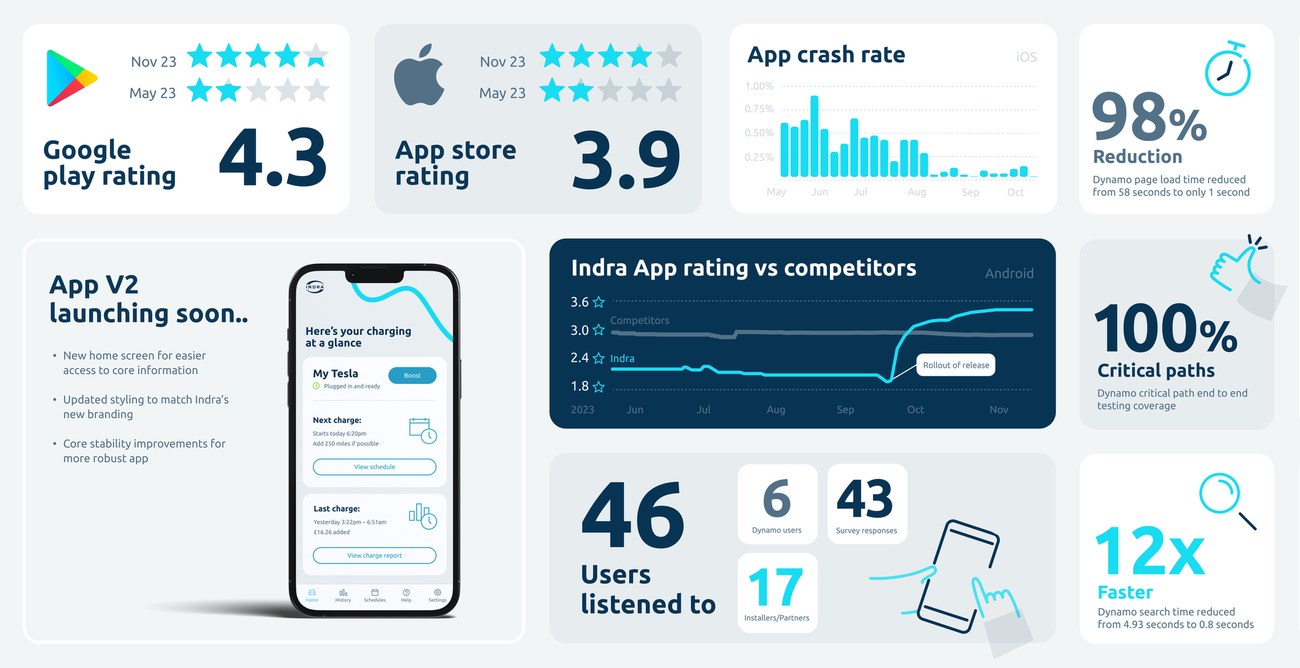
Alongside the installer work I owned the customer app, the thing people use every day to control their charger. It is the part of the product customers live with long after the installer's van has left. I built it into the number one rated UK charging app, holding an average 4.2 rating across the App Store and Google Play, and kept it there.
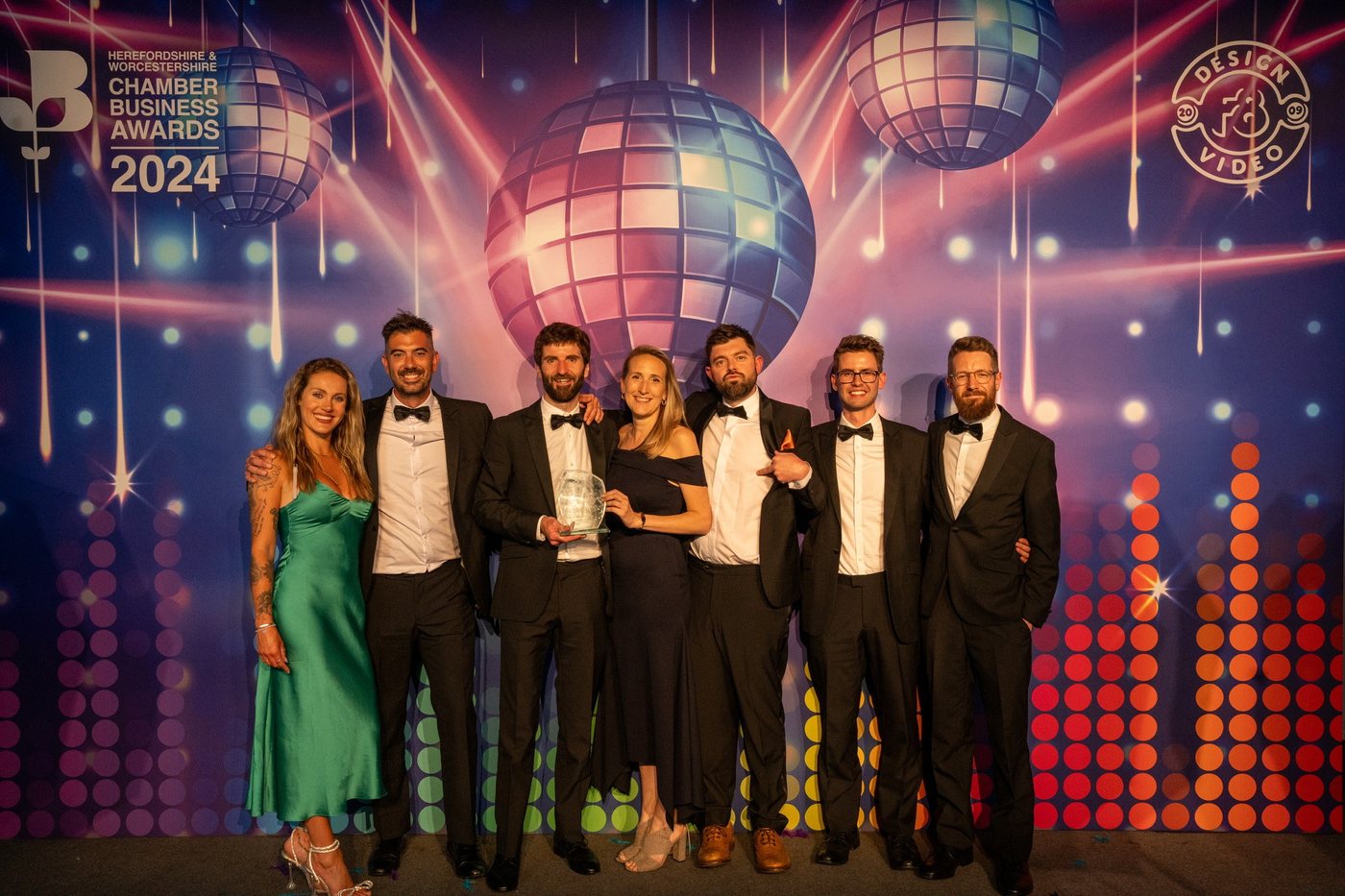
The work was recognised beyond the app store ratings. In 2024 the customer facing app won the Best Use of Technology & Trends award at the Herefordshire & Worcestershire Chamber of Commerce Business Awards.
The team and the function I built around it
None of this existed when I arrived. I built the product function, the research practice, the team, and the office we worked in.
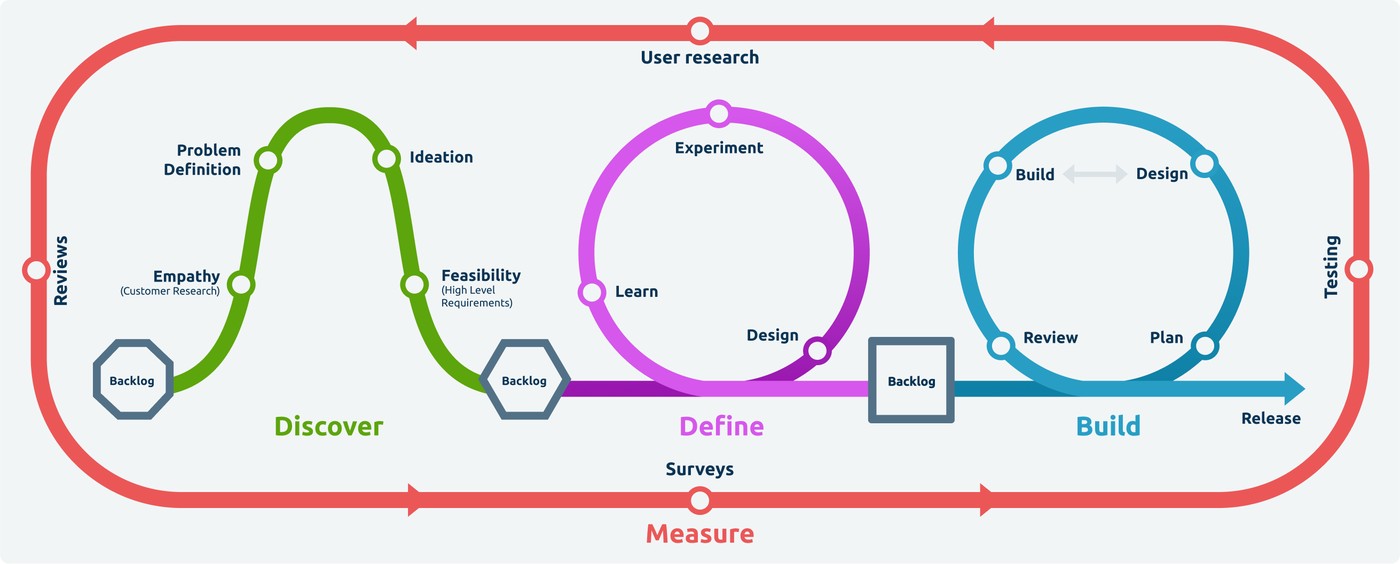
Hiring a researcher was one of my first moves. Together we built a practice that ran hundreds of sessions, and none of it sat in a drawer. I took what customers were saying into the C-suite, month in, month out, so the whole business could hear its users, and every product decision had that behind it.
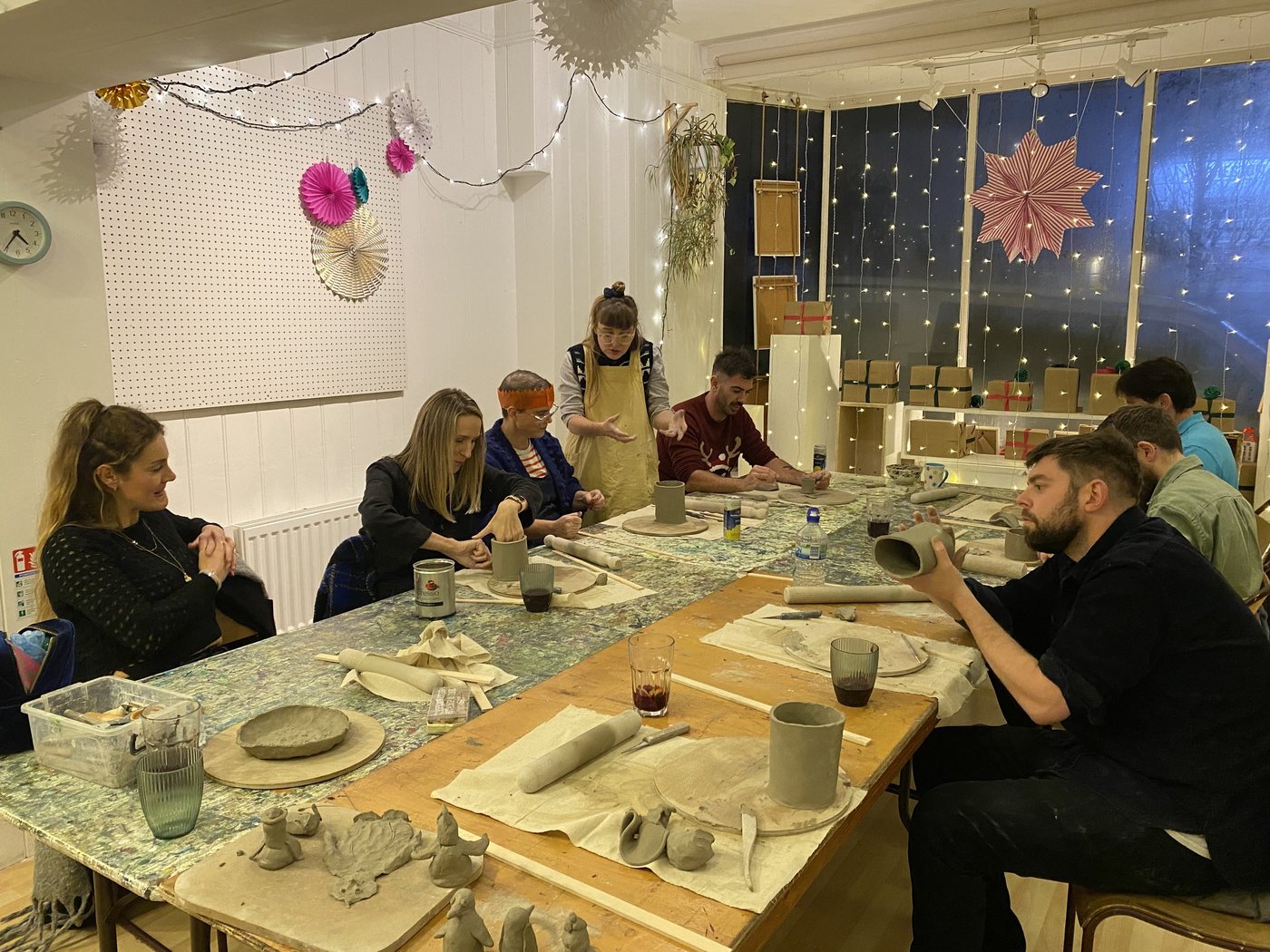
The team was seven people, and not seven tidy direct reports. It was a blend of an external design agency, an app-development agency, a contract agile coach, and full-time people I hired myself. I stood up a satellite office from scratch, furniture, desks, chairs, computers, the lot. One of the back-end engineers asked to move onto the team because of the work we were doing. I put the structure in once, so everything the team built after it had a foundation underneath.
Holding it together through the sale
The company changed hands, the top churned. My team kept shipping.
The back half of my time there was turbulent. The company was acquired by a major energy group, the founder who had started it all left, and the leadership above me kept changing.
My job through that was to hold my own team steady. I kept the pressure and the politics away from them, held morale and momentum through a leadership vacuum, and kept the product going out the door while the ground moved underneath us. The product and the team I had built were part of what made the company worth buying. Once the new leadership was in, I was in the room with the incoming CEO and CTO, helping shape the product strategy for what came next.
More of what I built at Indra
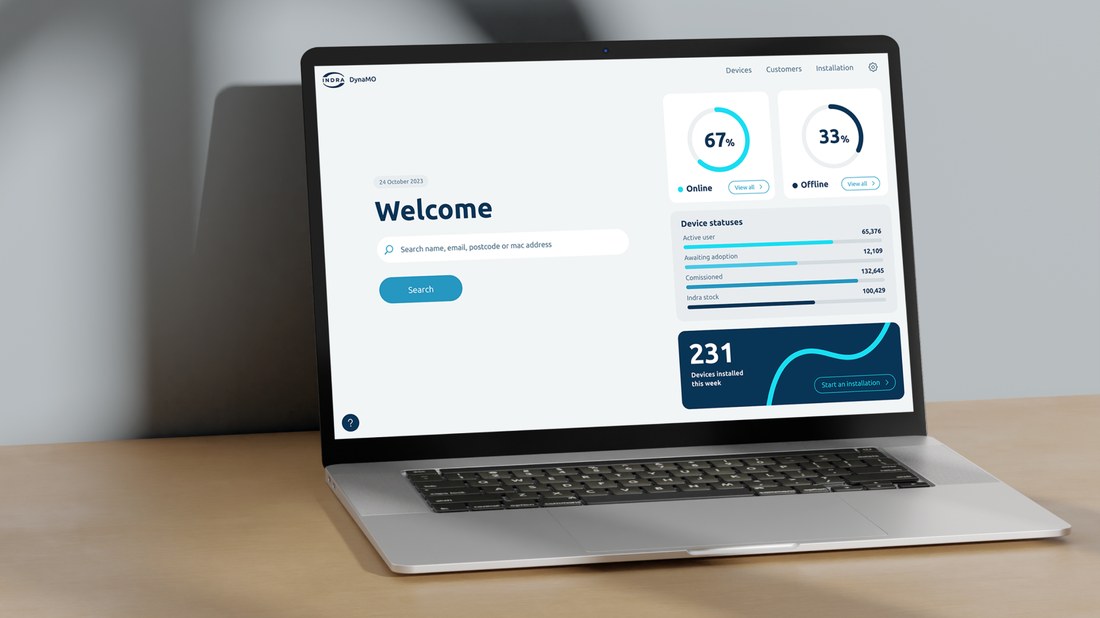
The operations platform
The tool the whole business ran on, support agents and installers alike, rebuilt around how those people actually worked and around customers who increasingly wanted to help themselves. Page loads went from 58 seconds to 1, a core search from around 5 seconds to under 1, with full test coverage on the critical path. It scaled to a fleet of more than 130,000 commissioned chargers.
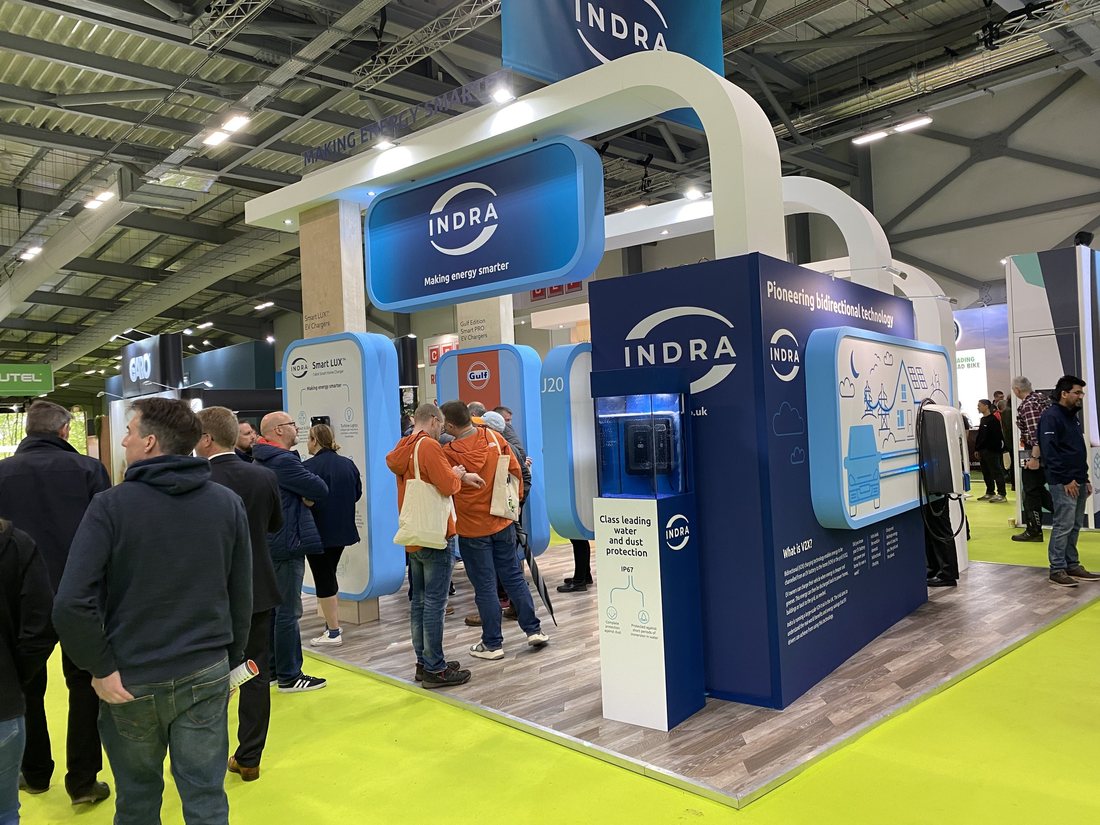
The world's largest vehicle-to-home trial
I built and ran the software and the research behind it, a cohort of committed early adopters using their car as a home battery, powering the house at peak times and recharging when energy is cheaper and greener. The vision was the founder's. The software that ran it was mine. Publicly documented by Indra, 200+ bidirectional chargers in UK homes.
The platform migration
I co-ran moving thousands of customers off the third-party platform we had been renting onto our own, and made it scale and hold.
The charger's status lights
A new charger arrived with a ring of lights that mostly existed because a competitor had one. The team fondly called it unicorn vomit. I turned it into a language, a standard set of light sequences that tell you what the charger is actually doing, animated properly and signed off across the business, built inside real firmware constraints.