Case study 07
JP Morgan
I led the work to make a loathed but essential internal tool usable, and to show the bank what design could do.
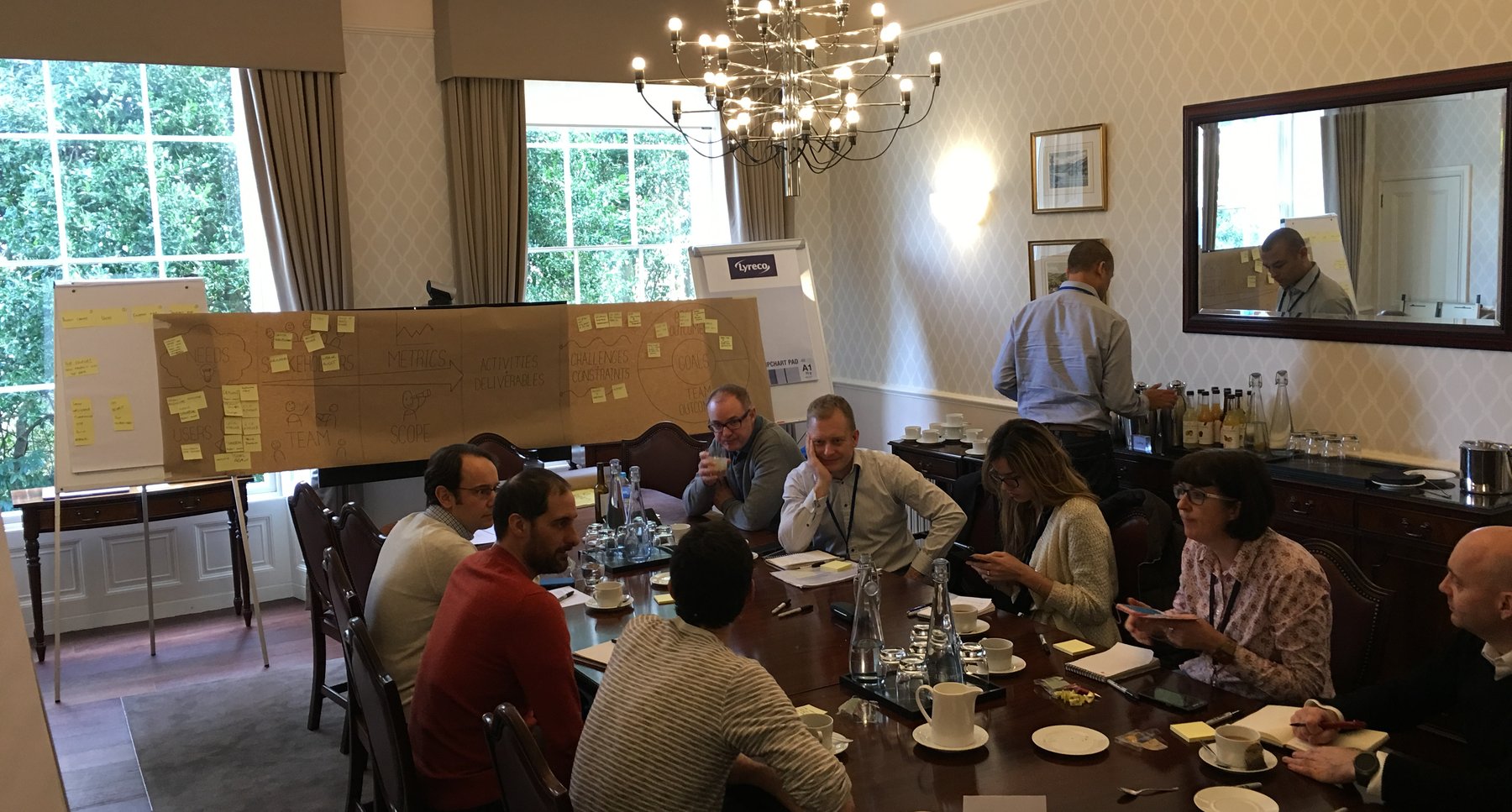
JP Morgan were looking at their in-house design capabilities and had engaged Clearleft in an ongoing project to help understand the lay of the land and set out ways to embed design across the business. This project was a test-bed for how design could be utilised on a project, to show immediate real-world results and impact.
The Standards, Engineering and Architecture Library (SEAL) is an internal governance tool for software that is used within JP Morgan. A high volume platform that is loathed by staff but essential to the bank's security and governance. The project's goal was to improve the usability of the platform and look at the overarching processes to remove inefficiencies.
Kick off workshop
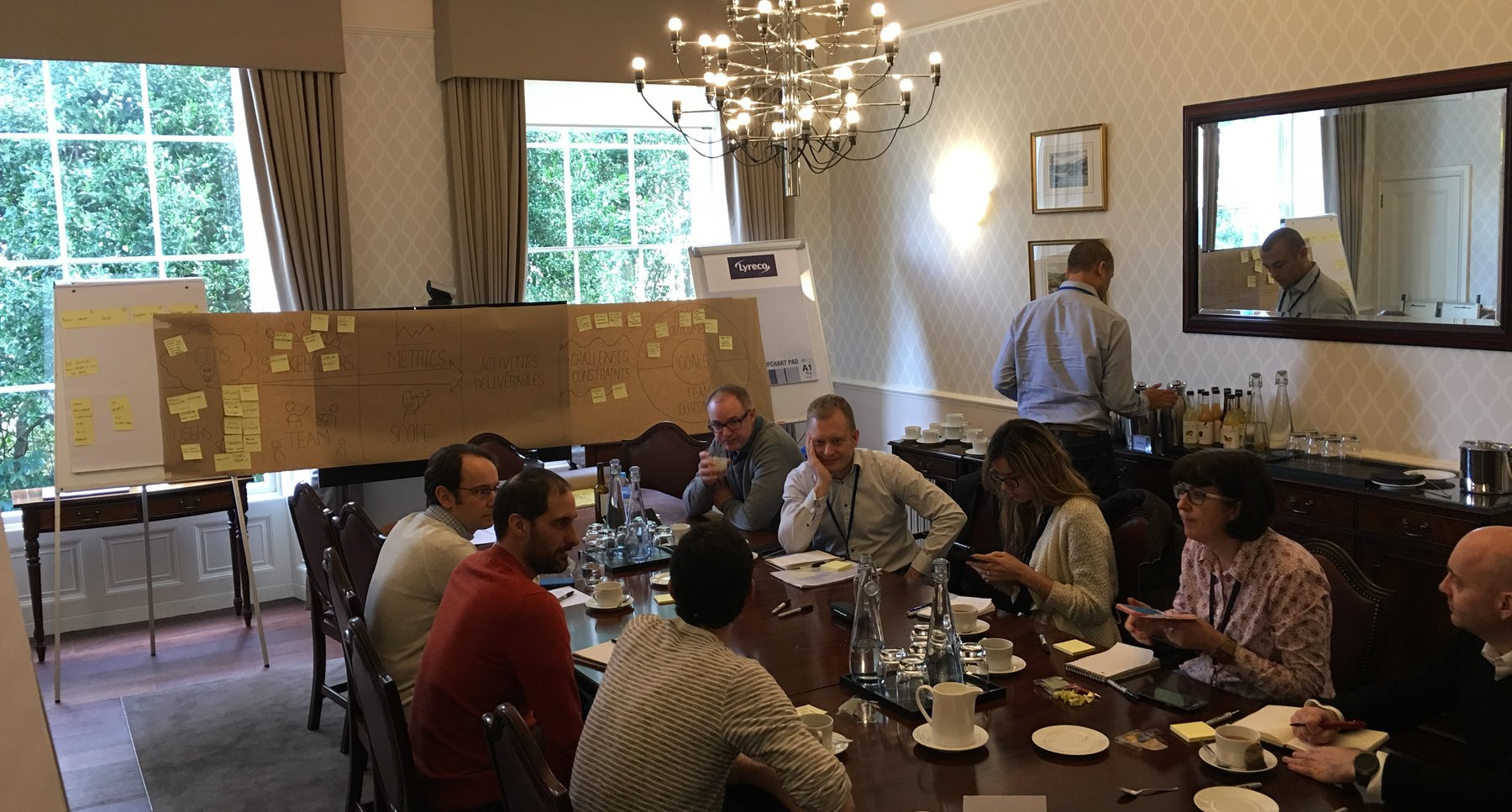
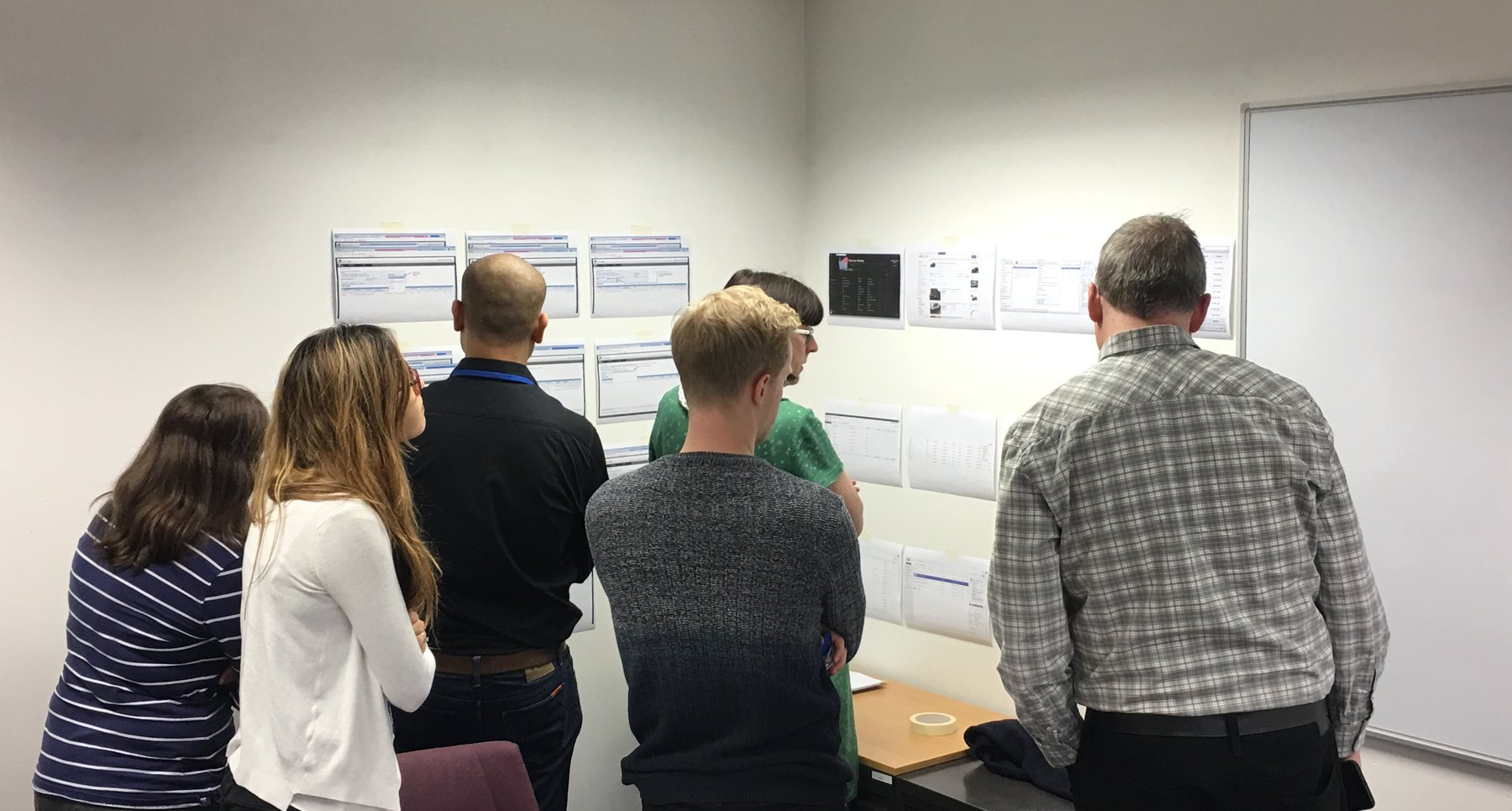
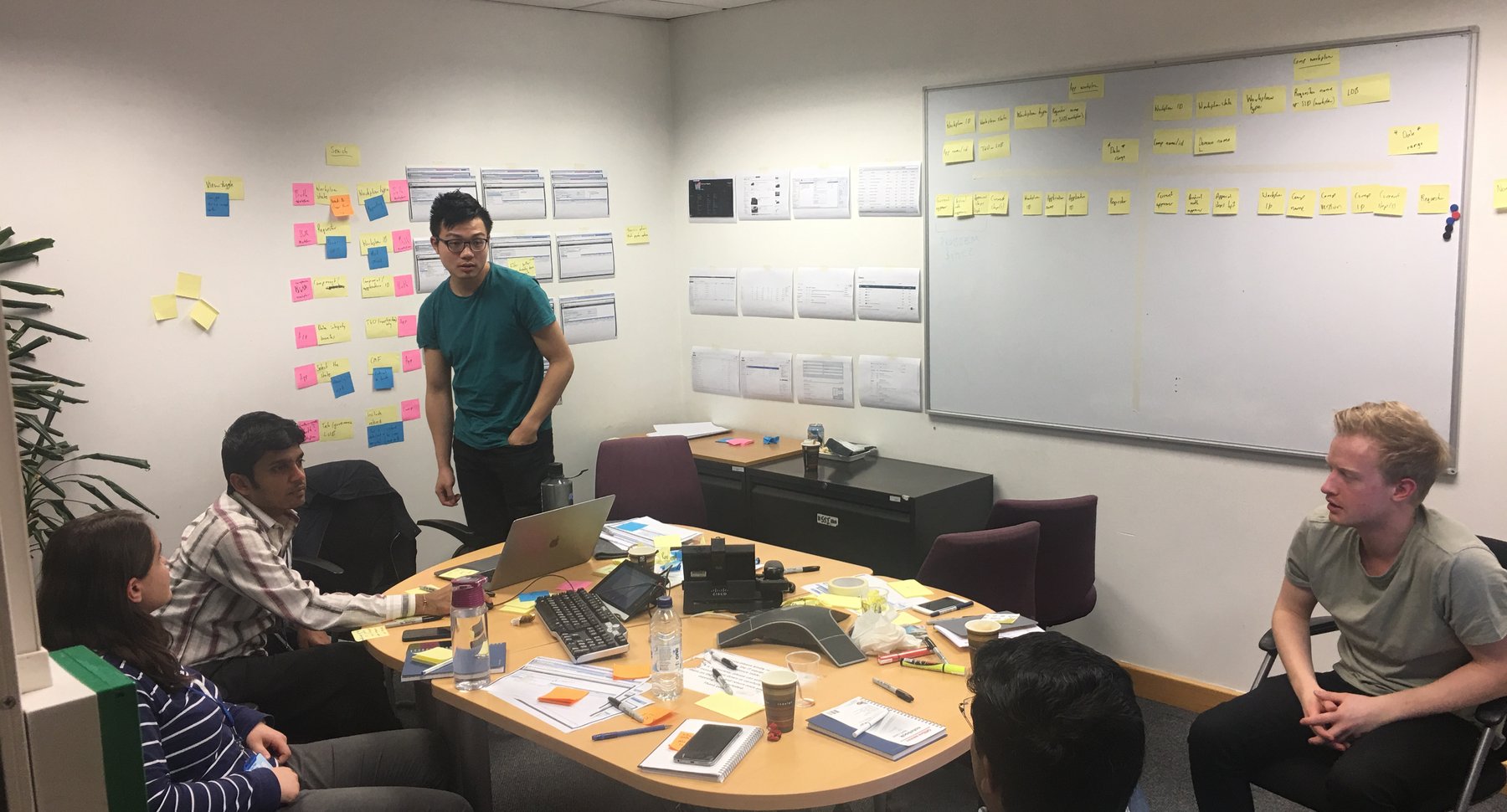
A full day of activities for the kick off session. 15 participants including several remote participants from America. We started with a project canvas to ensure everyone was on the same page, outlining what we were going to achieve on the project and how it would move forward over the coming weeks. The room then split in two to create proto-personas and empathy maps which they then played back to the rest of the group. Finally we finished the day by mapping the end-to-end journey of using the platform.
Journey mapping
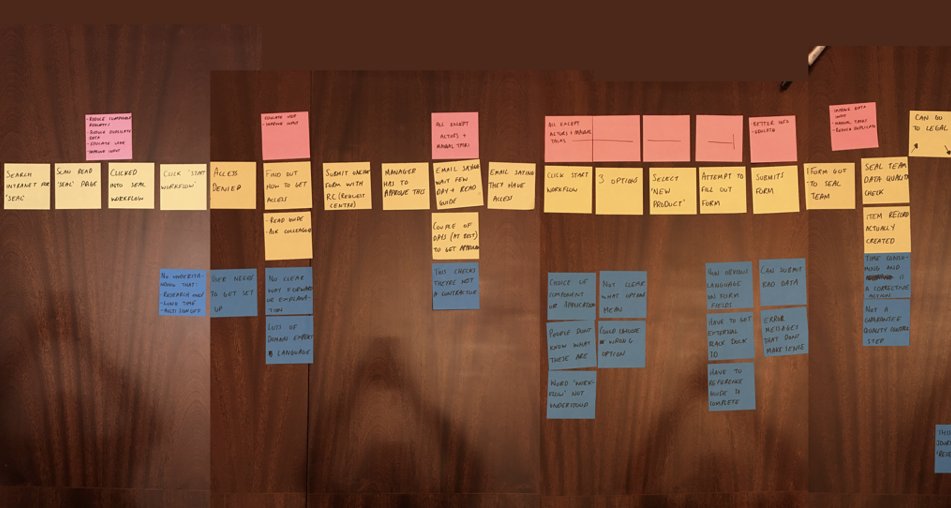
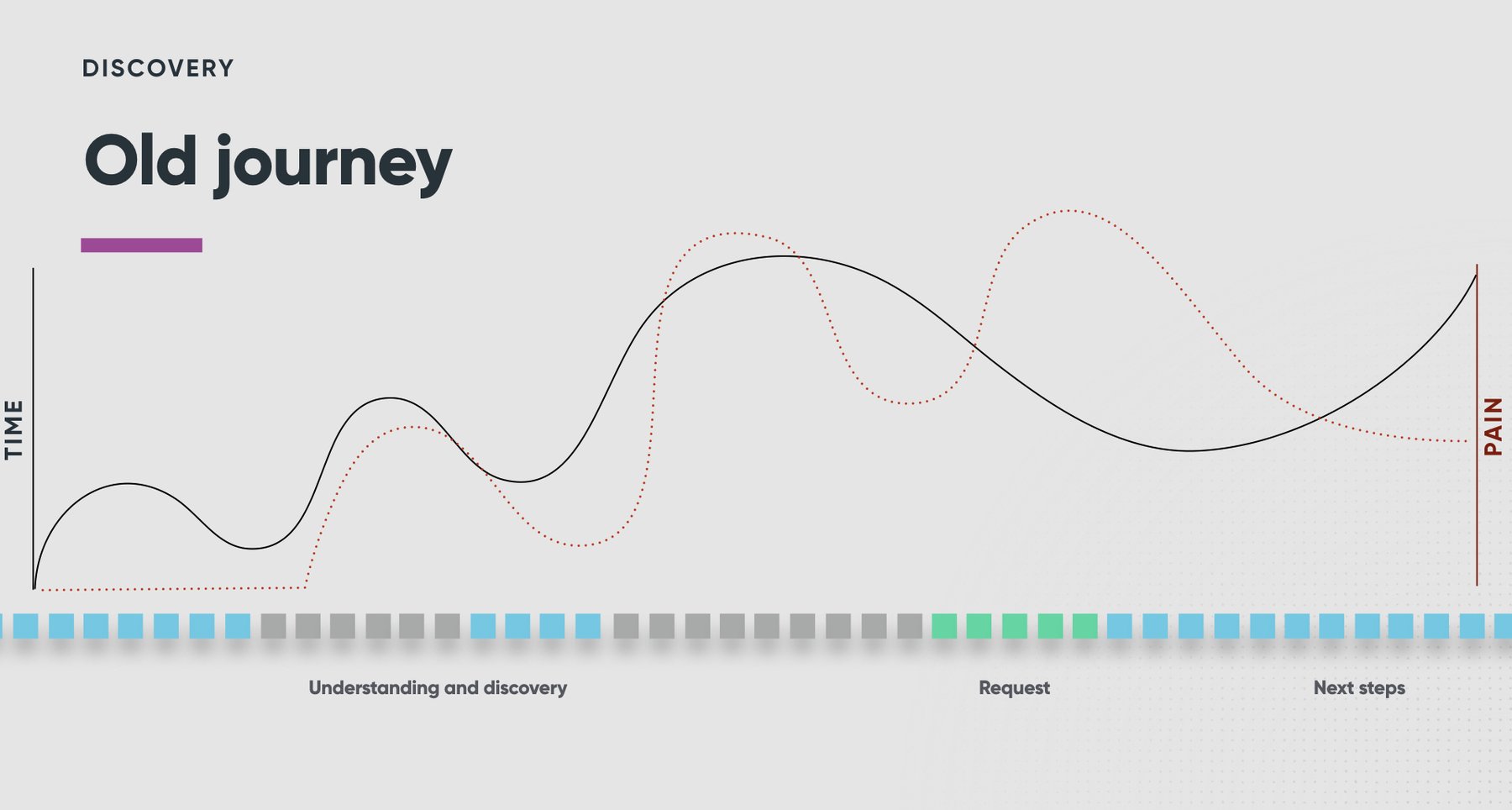
From the kick off session the journey map proved the most revealing activity and highlighted that the intended focus of the project to that point was not in fact the area causing the most pain. Highlighting and framing this enabled us to refocus the project early and to get senior stakeholder buy-in for the new direction.
User research and diary studies
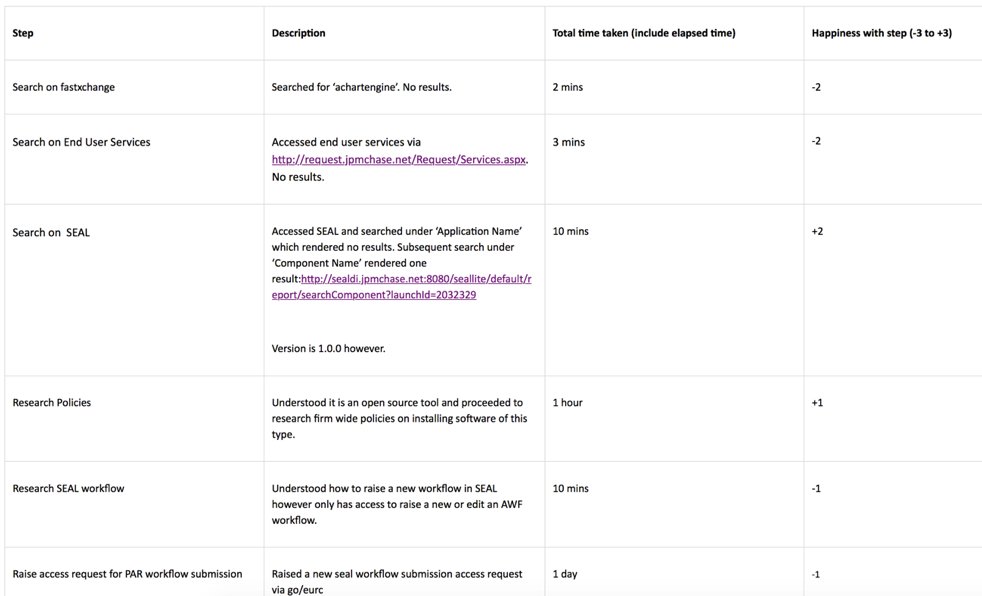
It was paramount that early in the project we demonstrated the importance of having the users' voice front and centre of the project. As the tool was used internally we had immediate and easy access to a wide range of them. Users were brought into the initial kick off session to give insight to the team about the problems they faced. We ran diary studies with several participants and carried out user testing on the platform and prototypes with others.
Team workshops
It was important that the team responsible for the ongoing maintenance and development of the project felt ownership for the work that was happening. Running sketch sessions to explore ideas enabled the team to have a vested interest in the project as well as providing great insight into potential solutions.
Metrics and KPIs
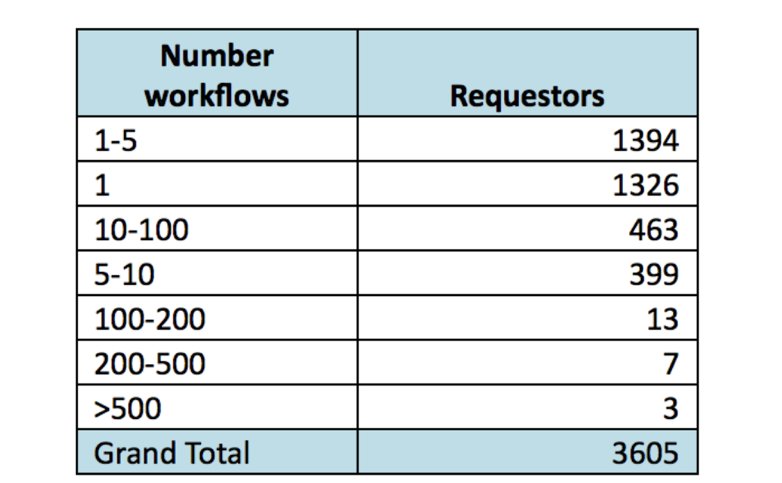
The team had access to a wide variety of data but had little idea about what it meant or what to do with it. Working with the team we identified the most important pieces of data, outlined how we would capture it and planned a strategy for using it to further the products development. This data was also integral to building understanding and buy-in from senior stakeholders.
Design and prototype
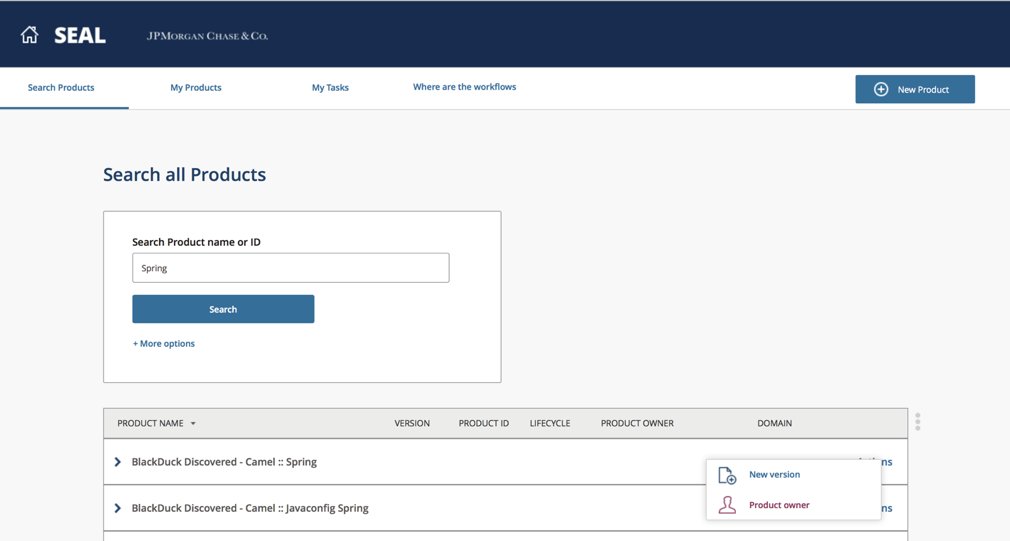
Working closely with a UI designer we created a basic pattern library which would enable the team to build on the work we had done and develop other areas of the platform in the future. We also fleshed out the wireframes to a polished design that was consistent with their wider design guidelines. This was then turned into a functional prototype that would be used for user testing and senior stakeholder conversation.
User testing
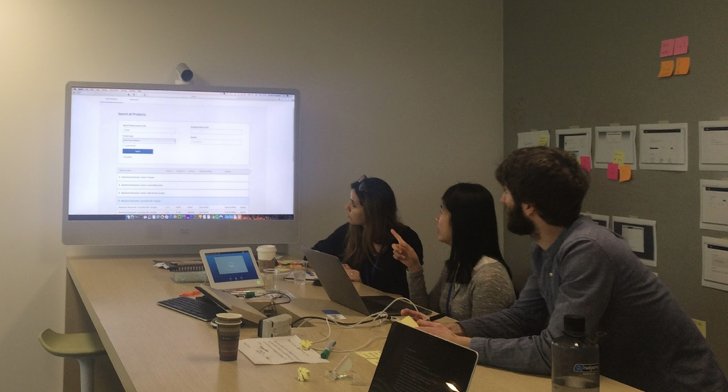
Tested at multiple stages throughout the design cycle, from rough sketches and ideas to wireframes and final prototype. Involved the team so they got first-hand exposure to the pains the user was experiencing. It was also vital that they understand they are not the user.
Team upskill
There were a team of around 15 people responsible for the ongoing management and development of the SEAL platform. With a wide range of experience, from graduates to experienced developers and senior management. None of the team had a design background and throughout the project we worked to build their understanding of the design process and skills required to get to the root cause of a problem.
Stakeholder insight and engagement
In order to demonstrate the value of the project it was key that well structured, informative and timely updates be given to various stakeholders throughout the organisation.
Outcomes
The project proved a huge success and stirred interest across the business in the ability for design to have meaningful business impact on internal projects. This project proved the value of in-house design capabilities and paved the way for the ongoing relationship between JP Morgan and Clearleft. As for the platform, there was a huge improvement in usability and in the overall process with an estimated 24 working days of the team's time being saved each year.